
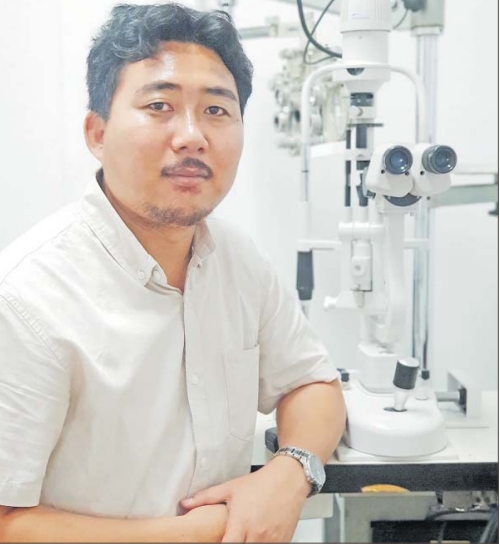
Our eyes are among the most precious gifts we have. They connect us to our families, our land, and the ocean around us. In Fiji, many people take care of their eyes only when problems arise, but one of the simplest ways to protect vision is through nutrition. What we eat every day has a direct effect on how well our eyes function and how long they stay healthy.
As an optometrist, I often remind patients: Healthy eyes begin in the kitchen. The good news is that Fiji is blessed with an abundance of fresh, local foods — fruits, vegetables, seafood, and root crops — that naturally contain the nutrients needed for strong eyesight. Let’s look at the key nutrients for eye health and how Fijian foods can provide them.
Key nutrients and their local sources
1. Vitamin A and Beta-Carotene
Vitamin A is essential for night vision and overall retinal health. A lack of it can cause night blindness. In Fiji, we don’t need to look far for good sources:
m Pumpkin, carrots, and papaya are rich in beta-carotene, which the body converts to vitamin A.
m Bele (hibiscus greens), a common Fijian leafy vegetable, is another excellent source.
2. Lutein and Zeaxanthin
These are natural antioxidants that protect the eyes from harmful light and reduce the risk of age-related macular degeneration (AMD) and cataracts.
m Bele, rourou (dalo leaves), spinach, and cabbage are packed with these nutrients.
m Corn and green peas, both grown locally, also contain lutein and zeaxanthin.
3. Vitamin C
Vitamin C helps protect the eye lens from oxidative stress and reduces the risk of cataracts.
m Fiji’s tropical fruits are ideal: oranges, guavas, pineapples, mangoes, and passionfruit.
m Even bele and tomatoes provide significant vitamin C.
4. Vitamin E
Vitamin E works alongside vitamin C to protect the eyes from damage.
m Nuts like peanuts, and seeds such as sunflower seeds, are excellent sources.
m Coconut oil also contains vitamin E, which is commonly used in Fijian cooking.
5. Zinc
Zinc helps transport vitamin A to the retina and is crucial for good night vision.
m Seafood—especially crabs, fish, and prawns from our waters—are great sources.
m Pumpkin seeds and chicken are also rich in zinc.
6. Omega-3 Fatty Acids
Omega-3s are vital for the retina and help with dry eyes. They are also important for children’s eye development.
m In Fiji, fresh tuna, walu, sardines, and other oily fish are perfect sources.
m For vegetarians, flax seeds and walnuts (if available) are good alternatives.
Nutrition and common eye problems in Fiji
m Cataracts: A leading cause of blindness in Fiji, often linked to ageing and sun exposure. Eating vitamin C-rich foods like guava, oranges, and leafy vegetables can slow their development.
m Age-Related Macular Degeneration (AMD): Increasingly common in older adults. Diets with lutein (bele, rourou) and omega-3s (fish) can lower the risk.
m Diabetic Retinopathy: With diabetes on the rise in Fiji, controlling blood sugar is critical, but antioxidants from tropical fruits and vegetables also help protect the retina.
m Dry eyes: A growing problem, especially for people working in offices or using computers. Eating oily fish such as tuna and sardines helps improve tear quality.
Practical eating tips
Eat more local greens: Bele, rourou, and cabbage should be daily staples, not just side dishes.
Choose fish over processed meats: Fresh fish from the market is both healthier and better for your eyes than tinned or fried foods.
Snack wisely: Swap chips and biscuits for roasted peanuts, papaya, or guava.
Cook with care: Overcooking vegetables reduces their nutrient value. Light steaming is better than boiling for long periods.
Balance root crops with vegetables: Cassava, dalo, and kumala are important for energy, but balance them with greens and fruits for eye protection.
Hydrate well: Drink plenty of water or coconut water to support healthy tear production and overall eye comfort.
Lifestyle matters too
In addition to diet, protecting your eyes from excessive sunlight is important in Fiji’s tropical climate. Wearing sunglasses, wide-brimmed hats, and avoiding smoking all contribute to better long-term eye health. Regular eye examinations are also vital, especially for people with diabetes or a family history of eye disease.
Conclusion
Fiji is fortunate to have an abundance of fresh, natural foods that can protect and strengthen our eyesight. By choosing local fruits, vegetables, fish, and nuts, we can nourish our eyes for life. Nutrition is not just about filling the stomach — it is about protecting our ability to see the beauty of the islands, our families, and our future.
Healthy eating today means clearer vision tomorrow. So next time you sit down to a plate of fish, bele, and papaya, remember — you are not just feeding your body, you are feeding your eyes.

