
So we are facing a critical mental health crisis, with rising drug abuse cases being one of several contributing factors! That is serious!
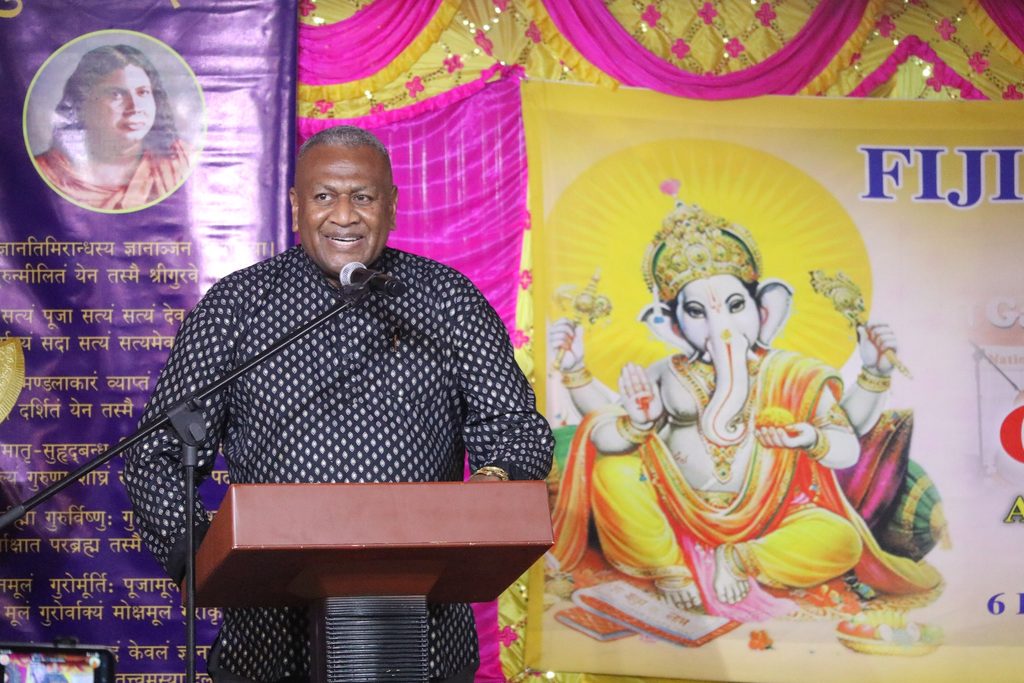
Assistant Health Minister Penioni Ravunawa said this at the Fiji Sewashram Sangha’s Youth Workshop on Drug and Substance Abuse this week.
The rapidly expanding drug problem, he said, included not only legal substances such as alcohol, cigarettes and kava, but also illicit drugs such as marijuana and methamphetamine.
We say, we stand today at the crossroads of a health crisis that can no longer be ignored.
Our nation is facing a critical mental health emergency, with rising drug abuse at the very heart of the problem.
Drug abuse means young people are losing their futures, families are torn apart, and communities are under siege from substances that destroy health, undermine values, and weaken society from within.
Mr Ravunawa’s statement that this is “the health crisis of our time” is powerful!
Alcohol, cigarettes, and kava have long been part of the conversation, but the alarming rise of illicit drugs, particularly marijuana and methamphetamine, is what places us in dangerous new territory.
Meth use, often through injectable methods, has fuelled an explosion in new HIV/AIDS cases.
We have continued to highlight this. The numbers are scary! In 2014, fewer than 500 Fijians lived with HIV. In 2025, that figure has gone up to 5900. We have one of the fastest-growing HIV epidemic in the world.
This demands that we confront the drug problem not just as a law enforcement matter, but as a public health emergency and a moral challenge.
The Government has shown its resolve, with the judiciary setting powerful precedents, such as the life imprisonment of Justin Ho and the heavy sentences given to his accomplices over 4.1 tonnes of meth.
These rulings send a clear signal to traffickers and their networks. Fiji will not stand by as its people are poisoned for profit.
But, again, we say, law enforcement alone will not win this battle.
The Assistant Health Minister was right to stress the role of families, communities, and individuals. We look up to parents to know where their children are, but more importantly, they must instil in them the positive values and principles that form the first line of defence against drugs.
We push for communities to engage in open dialogue about the realities of substance abuse.
We look to schools, churches, and youth groups to be empowered to educate, to raise awareness, and to give our young people alternatives in the face of drugs.
The rise in substance abuse is not happening in isolation.
It is closely tied to the pressures of unemployment, economic hardship, peer influence, and the erosion of traditional values.
So if we are to contain it, we must also provide hope and pathways to opportunity. And again we say we must ensure our health system has the resources to treat addiction, that mental health services are accessible and stigma-free, and that rehabilitation becomes a reality for addicts. We at The Fiji Times have been at this rehab centre conversation now for four years. Still nothing concrete has come off this conversation! We will keep at it though, and we will never lose hope that something will be done urgently!
We all have a stake in this fight.
The war on drugs should be fought with sustained, collective commitment. Awareness must be constant, education must be ongoing, and vigilance must be shared.
There is no room for half measures! There is no room for complacency!

