
It’s everybody’s business
THEY journeyed to our shores from across the world to hear from our women.
The visit by members of the Convention on the Elimination of all forms of Discrimination Against Women (CEDAW) committee was nothing short of a fitting response to remarks aired last week to “go where the women are if you want to hear their voices”.
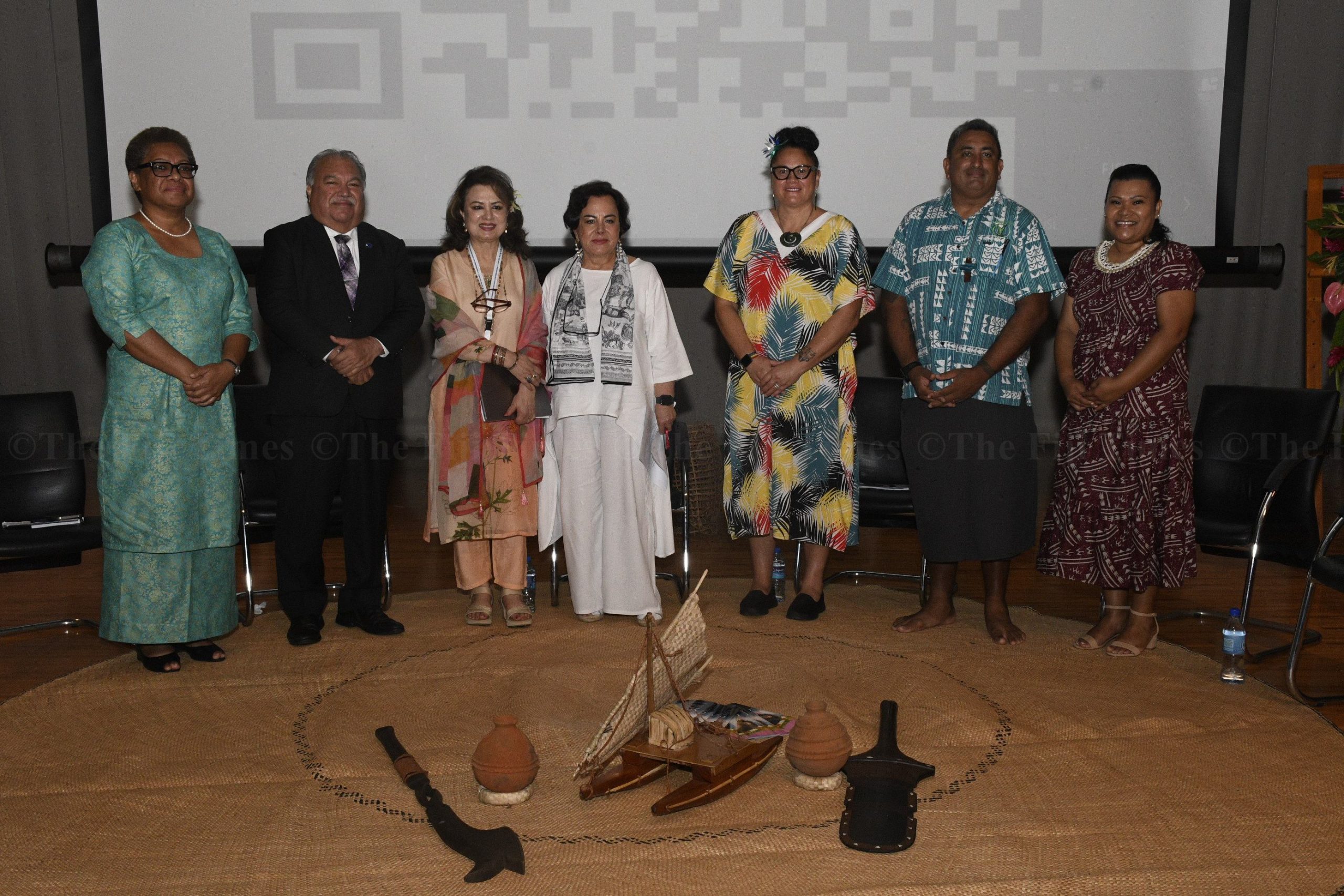
For 45 years since it entered into force as an international treaty in 1981, CEDAW meetings were always held in Geneva, one of the major headquarters of the United Nations. In a break from that tradition, 19 of the 23 committee members of CEDAW made the journey to Fiji for the CEDAW Pacific Technical Cooperation Session.
As the historic week of April 7 – 11, 2025 drew to a close in Suva, invaluable information, sharing, and learnings were unpacked and exchanged throughout the week.
Among the highlights were the talanoa sessions on gender through the lens of culture, religion, children and youth, gender stereotypes, women’s political participation, women with disabilities, gender-based violence, and climate change.
The conversations revealed a recurring reality: that discrimination against women exists everywhere, even in high offices like the United Nations bodies.
Our future is in our past
Speaking to the significance of the visit and the importance of CEDAW, Fiji Women’s Rights Movement executive director Nalini Singh said “we need to look back to understand our present”.
“To understand CEDAW is not trying to see how we are now, but to go back into history and see how women were treated,” she said.
Women, she said, were deemed too “emotional”, not knowledgeable or indecisive and unsuitable for leadership.
“When we think about it now, we know that’s not right. But historically that was where we were. In the 1980s, we got to have CEDAW as an international law, and at that time, it looked at many areas where women were facing discrimination.
“When it became international law in the 1980s, it recognised that discrimination can mean two facets: the laws and policies, and also in culture and societies.”
Ms Singh said states that signed on to international laws were responsible for domesticating it.
“Fiji was then obligated to make sure that as much as possible in all areas there’s no discrimination, that women are provided all the opportunities where needed.
“Sometimes it’s very easy to say, it’s all equal.
“Men and women can both apply for such leadership positions. But if we don’t put up a helping hand at times to say, for example, ’30 per cent of these types of leadership positions will be for women’, women will never get ahead because our minds are traditionally set that men are better at that type of job.
“Unless we put in a little bit of an affirmative action, either temporary or permanent, we might not get to where we want to get to.”
Monitor progress
Ms Singh said CEDAW was a tool designed to help us.
“If you want to right a wrong that has been happening through history, CEDAW becomes a very important tool to use and say that these are the ways in which we can do it.
“CEDAW has three principles. It’s looking at understanding non-discrimination within the laws and in culture. It also looks at this element of substantive equality, where you see you need to put in provisions to help women, you must also go and see what’s the outcome.
“If I’ve said 30 per cent, and it’s been five years already, am I getting to 30 per cent?
“And if I’m not getting to 30 per cent, then I must come back and re-look at what’s happening so I can keep working on it.”
She said often, a lot of effort was invested in introducing certain measures but progress was not monitored.
“We don’t check on what’s happening, and that’s where we have a lot of losses.
“The final thing is State obligation to ensure we follow what’s articulated in CEDAW, regardless of the government in place.
“The State must put into place ways in which this historical discrimination that women have been facing is being chipped away and we get to a position where we have substantive equality, where we put in effort, we can also see the results and we can then go back and either improve on it.”
Power of the media
At a session with women of the media in Fiji, the Pacific Community’s Principal Strategic Lead — Pacific Women, Mereseini Rakuita, teamed up with Natasha Stott Despoja, Australia’s representative on the CEDAW Committee, to talk about CEDAW and the role of the media in influencing and changing mindsets.
“Throughout the week we’ve been talking about a lot of things in relation to gender equality,” Ms Rakuita said.
“One of those topics has been stereotypes and changing mind sets and culture around how we see women in the Pacific.
“A lot of that influence is the power to change those mindsets rests in your work — how we portray women in leadership positions and how you portray them generally.”
Ms Rakuita said significant steps had been taken over the past decade to progress gender equality.
“We’re at a pivotal moment in our region. From strengthened commitments at the highest political level to policy and programing shifts on the ground. Regional frameworks have provided us with direction but frameworks alone are not enough. Political will is the agent for change. With political will must come investment. Action on the ground needs money.”
Do no harm
Ms Rakuita said the frameworks presented opportunities to respond to local realities while building the collective vision.
“(You are) the storytellers, the truth holders, the agenda setters. Your immense power in how we talk about gender, how we frame issues, who we include in our narratives, it all matters. I urge you to report with a ‘do no harm’ lens, to weave gender equality not just into gender stories, but into every story. Your voices shape public opinion and influence policy. Use them to illuminate, to challenge, and inspire.”
“In the wake of the CEDAW Committee’s visit to Fiji and its review of our standing in relation to ending discrimination against women, the concluding observations of the review will be released in June.
“As individuals and as a society, this in no way means our next move is dependent on when these observations are released.
“We have been informed and made aware of the work that still needs to be done when it comes to ending gender-based violence and discrimination against women and girls. We can make the conscious decision to start paying attention to our actions, reflect on them and determine whether we’re righting the wrongs of the past or fuelling it.
“The ball is in our court and the time to act is now.”

