
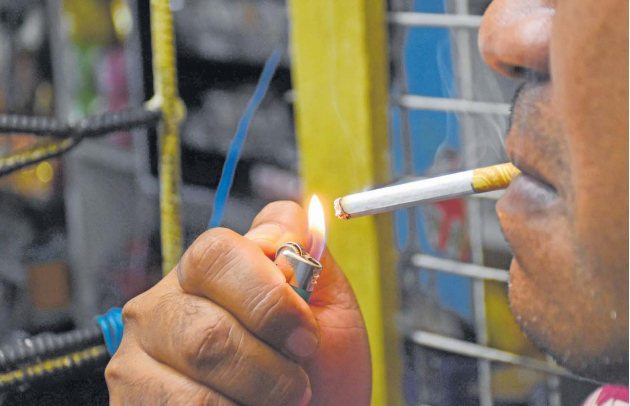
About 27 per cent of tobacco-related deaths in Fiji have been attributed to exposure to second-hand smoke.
Permanent Secretary for Health, Dr Jemesa Tudravu highlighted these concerns during the opening of the week-long Joint Needs Assessment mission by the World Health Organization Framework Convention on Tobacco (WHO FCTC) expert team.
Dr Tudravu said this assessment would identify and address gaps in Fiji’s tobacco control infrastructure, develop strategies tailored to combat illicit tobacco activities and align our policies with international best practices. Tobacco use continues to have severe health and economic consequences in Fiji.
“The need to address the health and economic impacts of tobacco consumption is crucial for improving the well-being of Fijian citizens and ensuring our country’s sustainable development,” Dr Tudravu said.
“Every year, tobacco use claims more than 1200 Fijian lives, with 71 per cent of these deaths occurring in individuals under the age of 70, representing a significant number of premature deaths.
Additionally, about 27 per cent of lives lost to tobacco use are due to exposure to second-hand smoke. The prevalence of smoking in Fiji remains notably high, particularly among adults and young people, posing a severe threat to our public health.”
Beyond the health risks, tobacco use is also an economic burden.
In 2019, Fiji’s tobacco-related economic losses were estimated at $319million, equivalent to 2.7 per cent of the country’s GDP.
These losses are more than four times the revenue generated from cigarette taxes. The illicit tobacco trade further exacerbates the issue by providing access to unregulated and cheaper products, undermining public health efforts and fuelling tobacco consumption.
“This effort will strengthen our regulatory framework, enhance enforcement mechanisms, and fortify our public health initiatives.
“The Government of Fiji has shown a strong commitment to eliminating the illicit trade of tobacco products.”

