
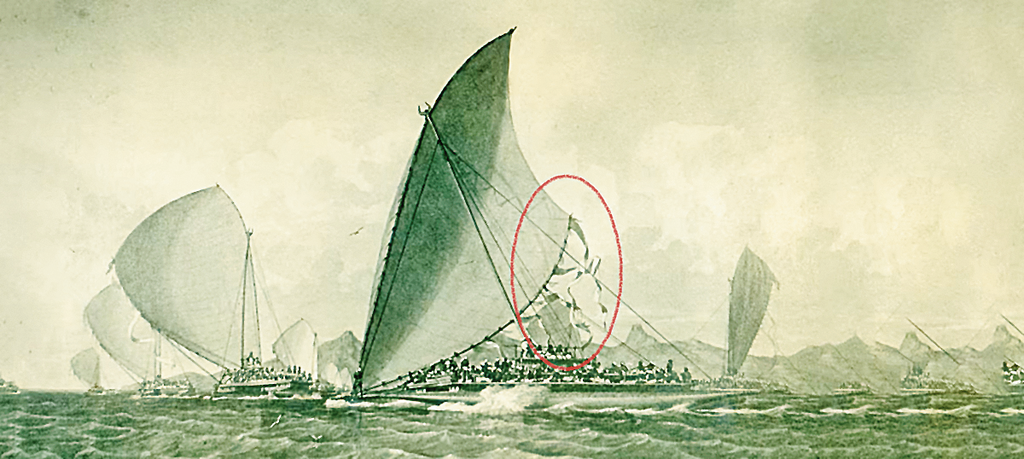
FOR the iTaukei, the ocean is more than just a vast body of water.
It is a source of life, a realm of spiritual connection, and a space where traditions and cultural protocols have been shaped over centuries.
Simione Sevudredre, founder of the Sauvaka Cultural Consultancy and an iTaukei cultural expert, in an educational video posted up on the TikTok platform- ‘Kai Nukuni’, shed light on the intricate relationship between the early Fijians and the sea.
The iTaukei worldview revolves around a deep respect for the natural world, particularly the ocean, which is central to their lives. Sevudredre explained that this connection is spiritual, binding people to the waves, tides, and the creatures within.
“The ocean is not just a means of travel or survival—it is a living entity, a space that demands respect and understanding,” he said.
This reverence is evident in the elaborate protocols practised by early Fijians, especially when interacting with seafarers.
One such tradition, the luva ni tawake, reveals the beauty of the diplomacy and power dynamics of ancient Fiji.
In a time before Christianity arrived and unified the islands under a shared faith, Fiji was a tribal society with competing chiefdoms. Villages were heavily fortified, often perched on hills with warriors, or bati, stationed at the shoreline to guard their communities.
Sevudredre recounted that the warriors would vigilantly monitor the ocean for approaching vessels, keeping a sharp eye on the flags or sails.
“When a ship was sighted, the warriors would alert the village: ‘There’s a ship approaching.’ The sighting of the flag or markings on the sail would determine the intentions of those aboard,” he explained.
Among these signals, the most significant was the presence of a tawake, a piece of white masi (bark cloth) displayed on a vessel’s sail. The tawake signified that a high chief or warlord was aboard, and more importantly, it conveyed the visitors’ intentions.
“If the sail remained raised as the ship entered village waters, it was a declaration of defiance—essentially a challenge,” Sevudredre explained.
“It meant, ‘I don’t care about you. I’ll do as I please.’ This was a precursor to war.”
However, if the visitors sought peace, a ceremonial protocol known as the luva ni tawake would be initiated. According to Sevudredre, this tradition began with the people on land rowing out to meet the vessel at sea.
They would formally request peace and invite the visitors to lower the tawake, symbolising their intention to forgo conflict.
“The luva ni tawake is essentially a peace agreement,” Sevudredre said.
“By removing the white masi, those aboard the vessel signal their willingness to engage in peaceful relations. It’s not just about diplomacy; it’s about removing the spirit of warfare from the ocean itself.”
In many cases, the peace negotiations were accompanied by the presentation of a tabua (whale’s tooth), that symbolised respect and sincerity. The offering of a tabua added weight to the request for peace, emphasising the gravity of the agreement being forged.
Sevudredre emphasised the importance of the luva ni tawake not only as a historical tradition but also as a commitment to the values of respect, communication, and cultural identity.
“The act of lowering the tawake represents humility and acknowledgment of the other’s sovereignty,” he said.
“It’s a reminder that even in a time of tribal conflict, there was a pathway to peace.”
This tradition emphasised the special relationship between the iTaukei and the ocean, as for the early Fijians, the sea was both a highway and a battleground, a place of opportunity and danger. The luva ni tawake ritual therefore ensured that interactions at sea were guided by respect and careful negotiation.
Today, as Fiji continues to navigate its place in the modern world, Sevudredre believes that these ancient protocols still hold relevance.
“The values behind these traditions—respect, understanding, and dialogue—are timeless,” he said.
“They remind us of who we are and how we’ve lived in harmony with the ocean for generations.”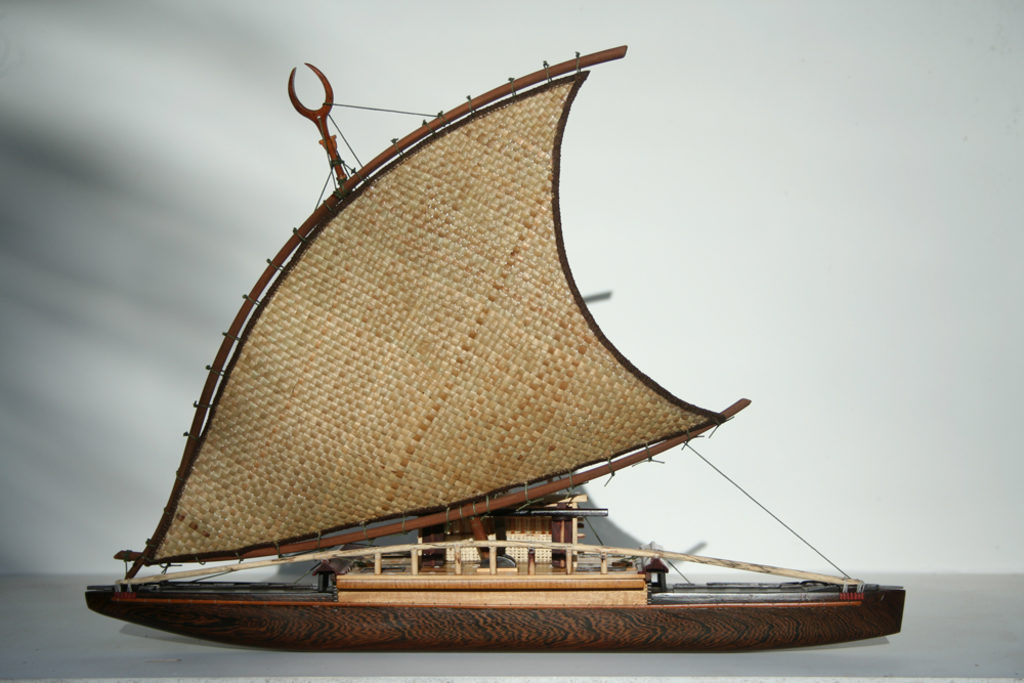
Model of a ‘drua’ or Fijian war canoe that were used during the tribal battles. Picture: POLYNESIAN CULTURAL CENTER
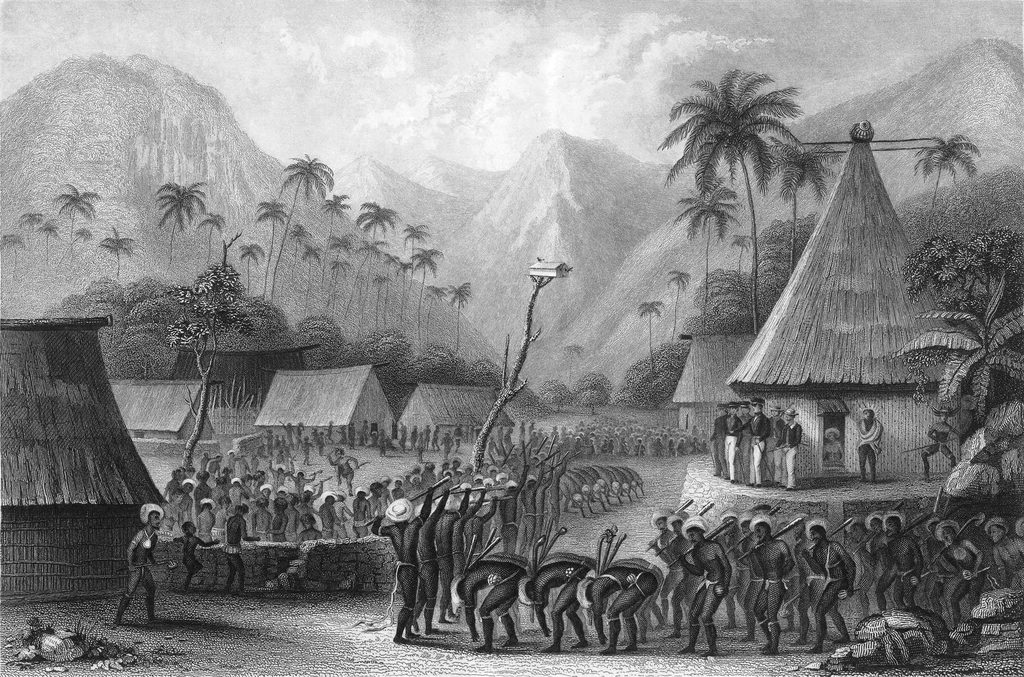
An artist’s depiction of an ancient Fijian village.
Picture: WIKIPEDIA
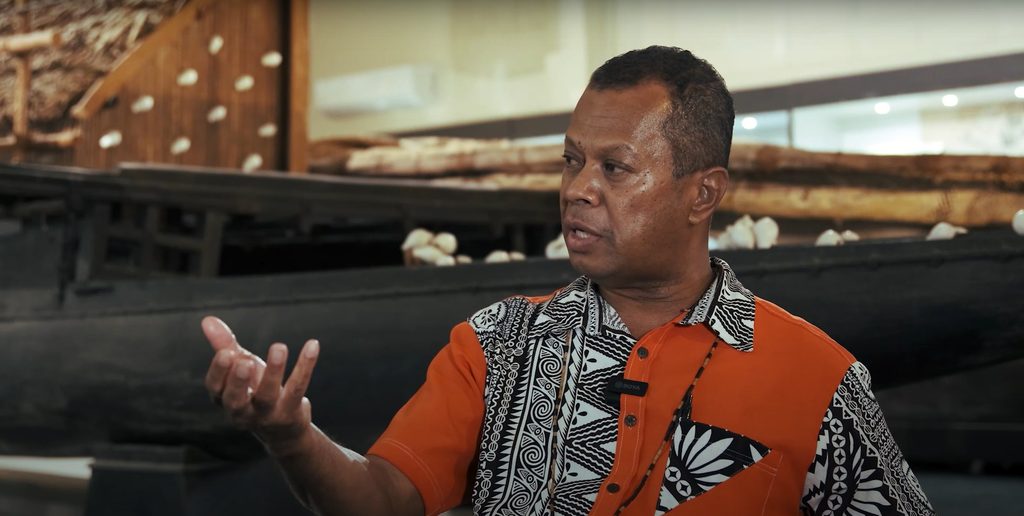
Simione Sevudredre. Picture: TUMELI TUQOTA

