
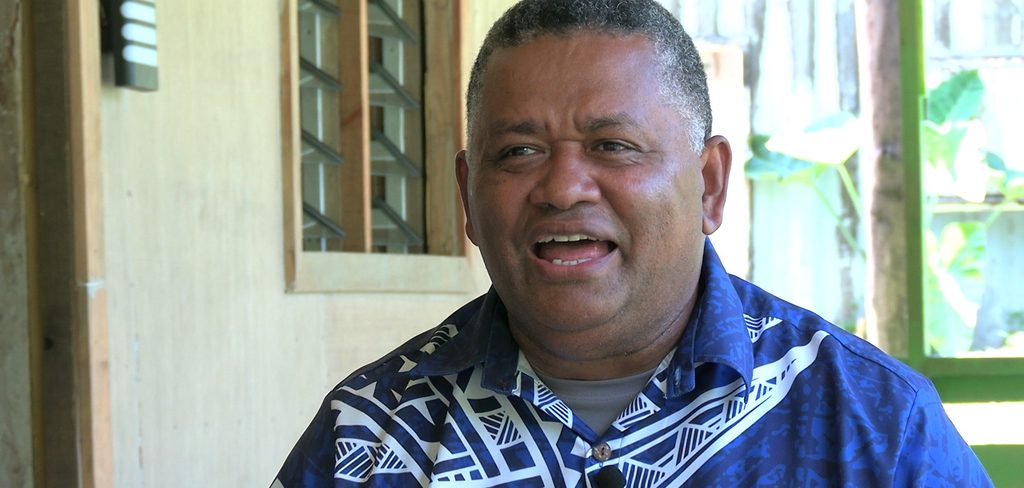
As we rapidly move into a digital world, where technology occupies a central place in our lives, we must use these platforms as a means of promoting and documenting the histories that have been passed down from our ancestors.
Master Kalisito Vunidilo – chairman of the Namosi Provincial think tank, and passionate scholar of Indigenous Fijian heritage and culture, says making iTaukei cultural knowledge accessible in various digital forms, has the potential to reignite interest and willingness among the youth to reconnect to and learn more about their heritage and cultural backgrounds.
Master Kali and his wife, Dr Tarisi Sorovi-Vunidilo, have come back to Fiji after successful careers in the field of academia overseas, to dedicate their time, energy, and resources to a cultural revival, starting first in Master Kali’s home province of Namosi.
As part of his PhD studies, he has conducted over 20 interviews with individuals across Namosi on a variety of cultural topics regarding the province.
“We have registered a production company, and we have begun recording these stories in video format which will ultimately be edited into a documentary about Namosi.”
“Today our youth are more tech-savvy and are not very interested in reading bulky written documents,” he said.
Master Kali shared that the new initiative he was spearheading with Dr Tarisi, would take storytelling and sharing to another level. He also revealed that all digital stories and documentaries would be produced in both English and iTaukei languages.
“Tarisi had recently launched an animation story that is well known here in Namosi – Ra Vo or the Mudfish of Namosi. It has been circulated worldwide now and is in both iTaukei and English.”
Master Kali hopes that through the digital productions they do, more youths, particularly those of iTaukei heritage, would take a more active interest in academic research, which would in turn assist them in finding out more about the histories of the land and their people.
He also clarified that the animations and documentaries they planned to roll out would be backed up by in-depth academic journals, to be used by those who intended to learn more.
“Tarisi has also done a lot of work on children’s books containing the myths and legends of Fiji. She has completed about 10 to 15 books, and they are being supplied to the Fiji Museum and Baka Books, as well as libraries around New Zealand and hopefully, we get to penetrate the US market as well.”
“Digital media is the future for us and while we adapt and adjust, we need to take our culture and traditions with us,” he said.
Master Kali acknowledged that youths go through a phase and a process, where they find cultural and traditional issues uninteresing.
“But when a person marries and has children, they start to realise the importance of transferring knowledge to their young.”
“So, it is important to have a solid understanding of who you are as a person, your cultural identity and your family background,” he said.
Master Kali said that a vast majority of iTaukei youths who brought their children on to Dr Tarisi’s online classes were usually the ones who did not care about their history and cultural identity.
“Children of Fijian heritage who live overseas need to have the pride to stand up and say I am a Fijian, I am a Kai Viti, but it seems that simply does not happen because they will try to fit in with the others.”
“It is sad to also witness that when we ask the children in our online classes to find out about things like their tokatoka, mataqali, and yavusa, the children would go home and ask their parents and they do not know,” he shared.
Master Kali said, however, it was positive to see children now applying pressure on their parents to reconnect with their families to find out who they are.
He also encouraged iTaukei families overseas to make the effort to bring their children back to Fiji and visit their villages and families here.
“The biggest challenge facing iTaukei communities and families today is the lack of quality time spent together as a family unit,” he said.
Master Kali said with the many obligations placed upon the family by church and work commitments, there was no time for parents to sit down with their kids, keep them in check, and ensure they stayed connected with their identity.
He stressed that raising good children, who were well behaved, were aware of the traditional protocols and their cultural identity – started with the parents themselves reconnecting themselves to their roots.
“Parents and elders cannot pass on anything to their children if they have nothing to offer,” he shared.
“So, the onus is on us to make sure that we have something to offer our future generation.”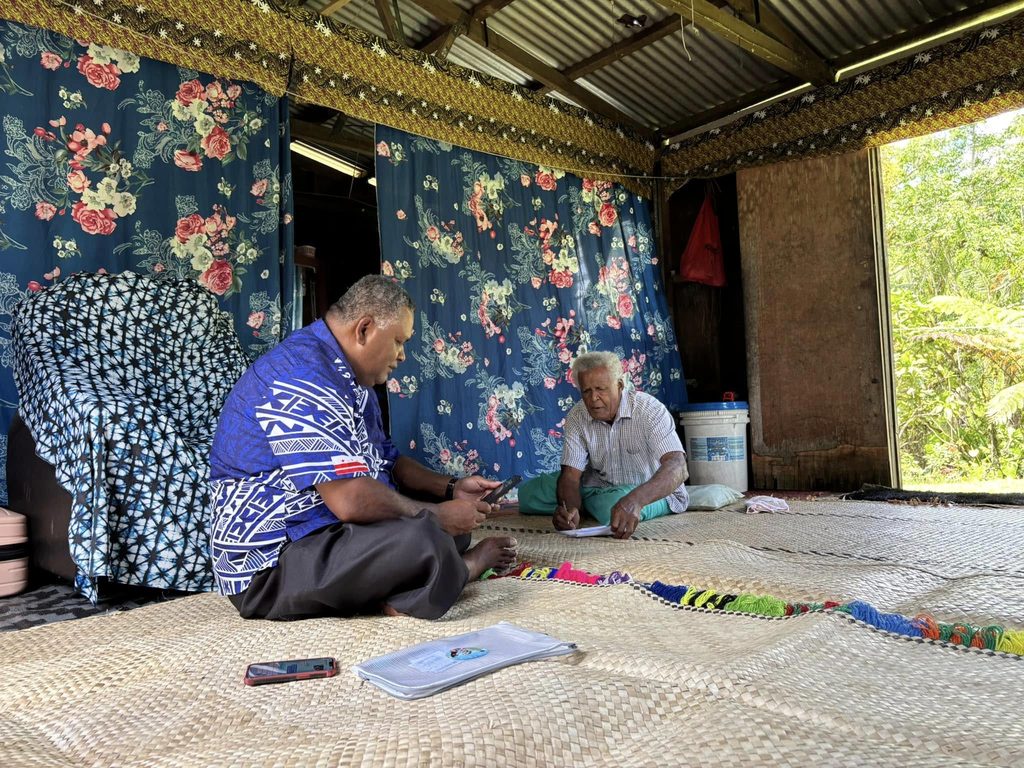
Master Kali out on the field collecting data for his academic research. Picture: TALANOA WITH DR T
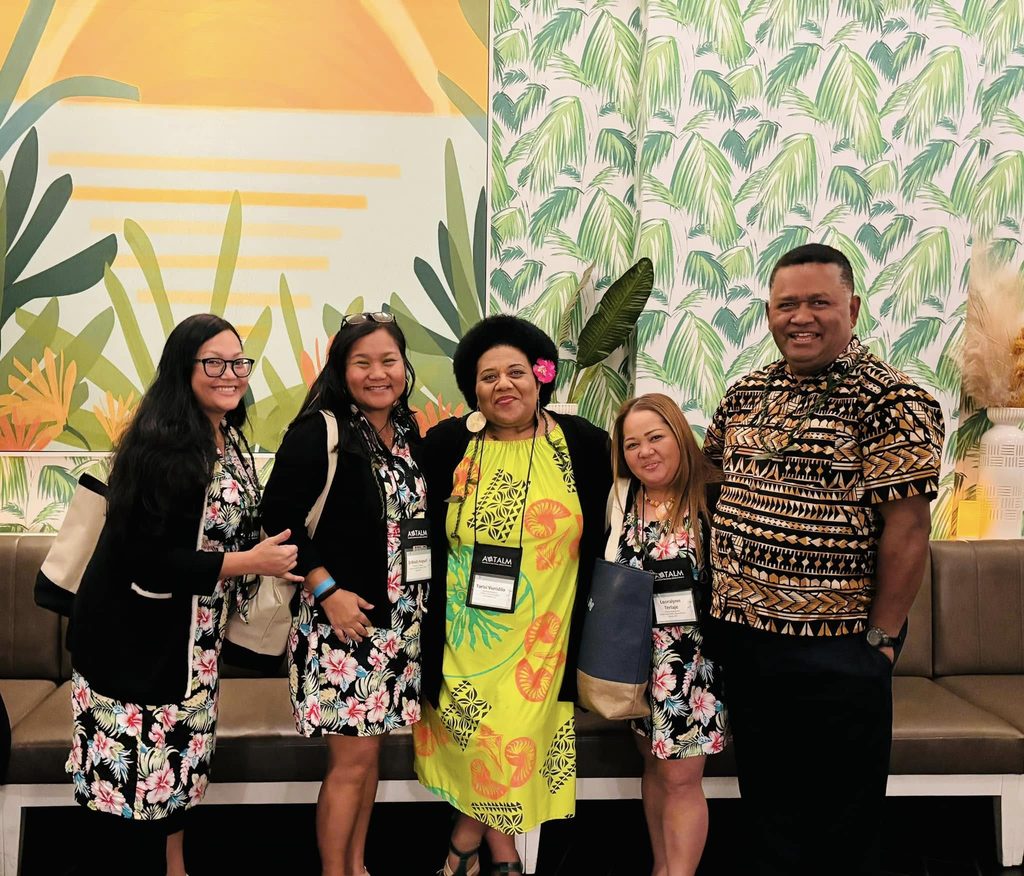
Master Kali (far right) and Dr Tarisi (center) with other participants at an international conference. Picture: TALANOA WITH DR T
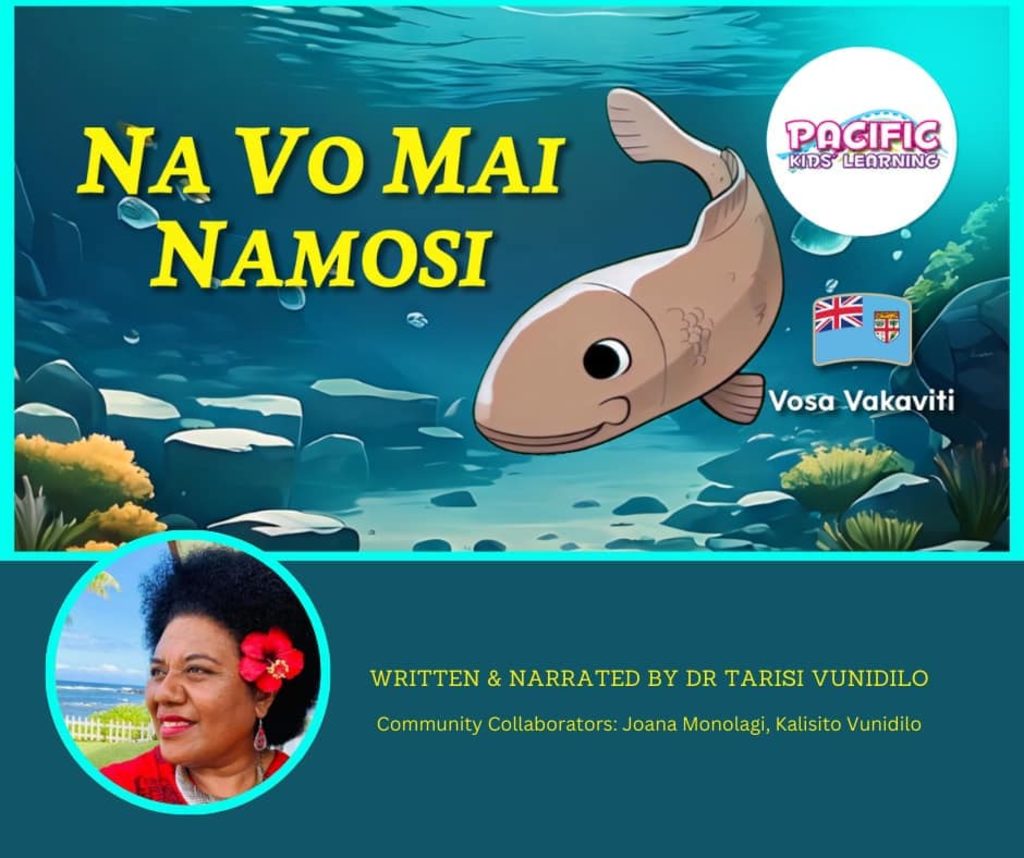
Promotional poster for Dr Tarisi’s digital audio book ‘Na Vo Mai Namosi’ or the Mudfish of Namosi. Master Kali says they plan to produce more digital stories on indigenous Fijian myths and legends soon. Picture: SUPPLIED
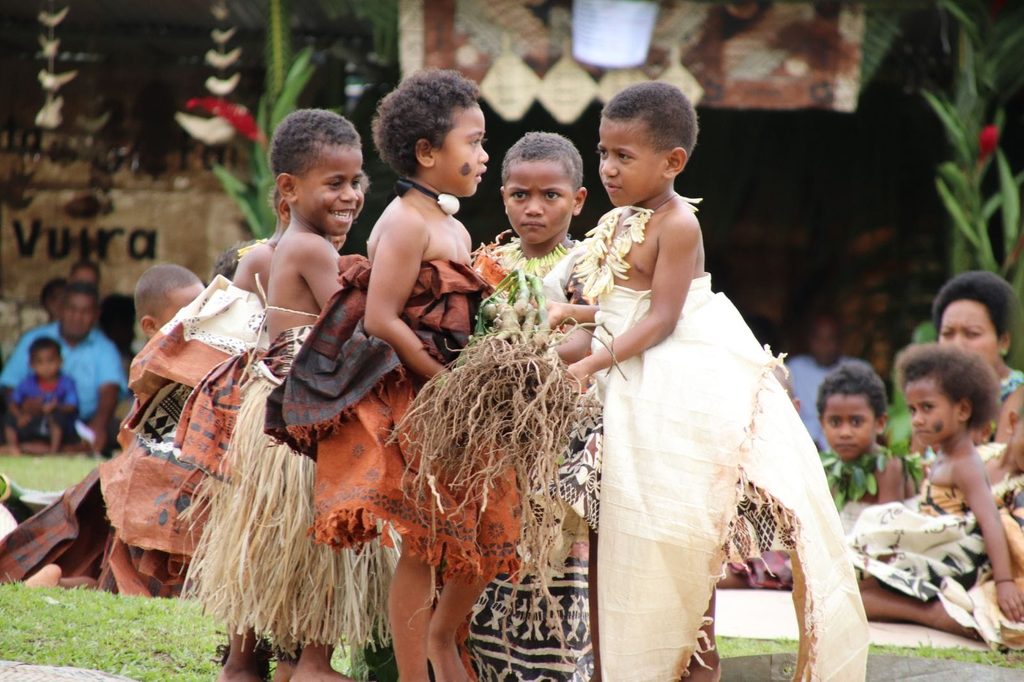
Indigenous Fijian children take part in a traditional iTaukei ceremony. Picture: MINISTRY OF ITAUKEI AFFAIRS

