
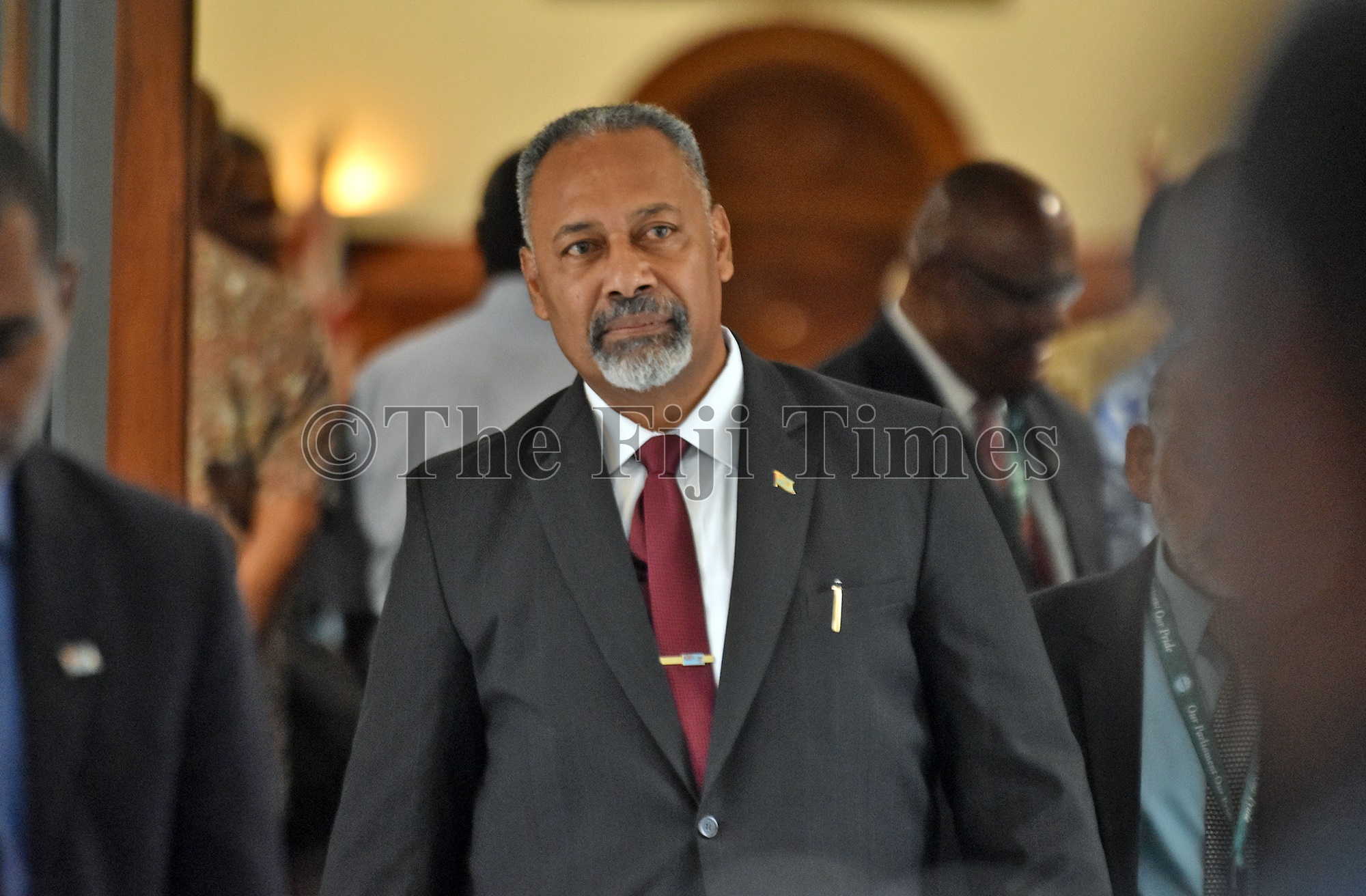
Despite the relative abundance of natural resources and key exports based within rural economies, there is 41.5 per cent poverty in rural areas, which is almost double that in urban areas (20.4 per cent), says Minister for Rural, and Maritime Development and Disaster Management Sakiusa Ditoka said.
Speaking at the National Consultation on the Review of the Integrated Rural Development Framework (IRDF) at the GCC complex in Suva yesterday, Mr Ditoka said an estimated of about 387,000 people were living in the rural and maritime areas, which meant two-fifths of the rural population live below the Basic Needs Poverty Line, and an alarming 62.2 per cent of the poor residing in rural areas.
“These figures continue to illustrate the vast disparities that exist between rural and urban areas,” Mr Ditoka said.
“More than this though, they also indicate that as a country, we are not doing enough, and not doing the right things well enough, to be able to harness and grow our combined potential and really propel our nation forward.”
To address the inequity and strengthen the resilience of rural communities, he said several strategies had been highlighted in the recently launched National Development Plan (NDP), including the review of the 2009 IRDF and the proposed National Rural Development Policy.
“We have decided to contextualise these tragic initiatives through a change program because we understand and accept that we’ll need to adjust how we work to ensure our services are at an optimum level and more relevant to our stakeholders,” he added.
“The ministry does not exist in a vacuum so while it might seem straightforward to carry forward the IRDF review and build from it for the future, we must also ensure consistency with other reform efforts happening around us at the moment.”
The two-day consultation, which ended yesterday, will have government officials and stakeholders identify and assess strategic challenges to integrated rural development.
Meanwhile, Soqosoqo Vakamarama iTaukei (SSV) president Adi Finau Tabakaucoro spoke to The Fiji Times a few weeks ago and said there was a need to change how poverty is measured in Fiji.
Adi Finau said the general tendency was to consider poverty based on income rather than people’s lack of basic needs.
“This Government, including the past government, have 40 plus social protection mechanisms, and I suppose those who talk about poverty base their comments on that because the Government provides for the poor through social welfare and provides for the elderly through bus vouchers and also provide for the elderly in the villages who don’t have regular income as well,” Adi Finau said.
“And that is the responsibility of the Government because they offered themselves to solve these issues.
“It comes down to people and communities to learn how to use these, while the State has the responsibility of making sure people have access to basic needs like water, food, shelter, education, employment, and infrastructure.”

