
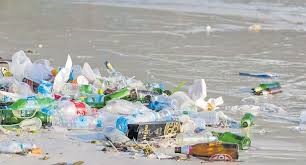
FIJI is too beautiful to have rubbish around, and if people cared, they would do something about it, especially plastic waste.
The sentiment was shared by 62-year-old Daveta Liku of Serua who makes a living by turning plastic waste materials into beautiful home décoration.
Ms Liku, who is originally from Rewa with maternal links to Serua, has been an avid member of the Soqosoqo Vakamarama iTaukei (SSV) Serua since 1985. She was also part of the organisation’s centennial anniversary yesterday, where she, and more than a hundred people, gathered to commemorate the past and present members of SSV.
Passionately describing what she has benefitted from the organisation’s programs all these years, she said people were not considerate when it comes to rubbish which is the biggest problem in Fiji.
“I began actively participating in the SSV in 1985, so I’m familiar with all the programs and consultations that have been organised by the organisation because just like other women in Serua, we were taught how to make handmade items such as weaving mats and baskets, making sasa brooms and jewellery from seashells and whatever we could find. We’ve attended expos every year, and last year I was chosen to be part of the women’s expo, which was a really amazing experience for me. So, I make my flower art from recycled bottles, empty noodle packets, biscuit packets, and bongo packets as well,” Ms Liku said.
Ms Liku said people could actually make a living by getting these materials cut up and turned into flower decorations.
“Sell them for $5 or so, and even decorate your living room with it. It’s so easy and it’s accessible, you just have to be patient and be willing to do it. Even empty plastic bottles, you can cut them up and stick a balloon tied to a string and hang it in your living room. I’m so excited that I’ve made all these which will be showcased at the expo later this month. The other reason why we chose to use recycled stuff was so we could also prevent pollution in our seas and on our land. Fiji is too beautiful to have rubbish all around, and if people cared, they would do something about the plastic waste.”
Ms Liku said people in villages and communities needed to realise the consequences of not caring about the environment.
“Awareness is everywhere, it’s not that hard to earn a bit more money by recycling plastic waste and turning it into beautiful things,” she said.
“We need to wake up and start realising that something can also be done to help families financially.”

