
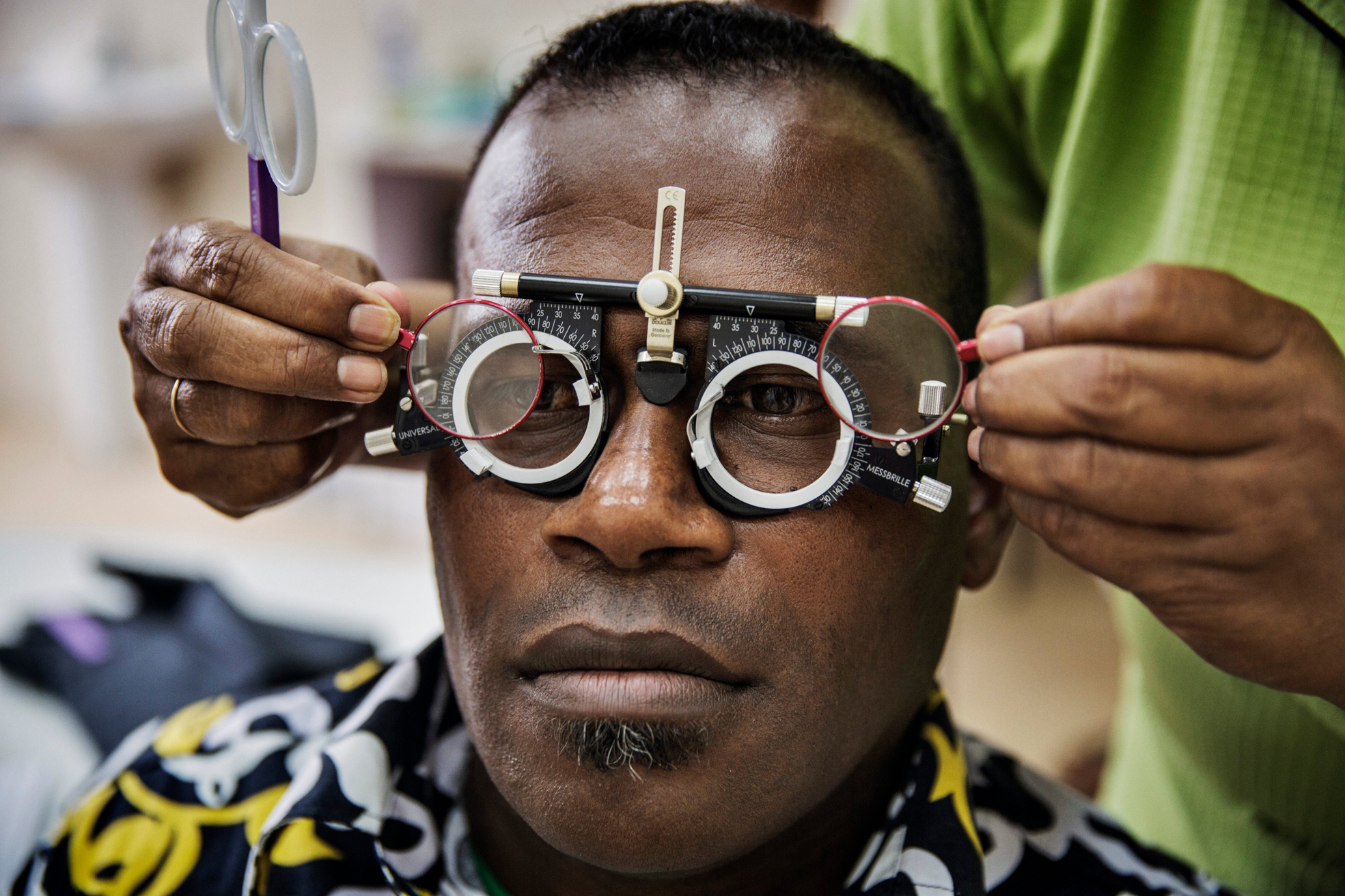
Diabetes is currently the leading cause of blindness in Fiji, says Serupepeli Bicinivalu, the general supervisor and communications officer for Project HEAVEN.
Mr Bicinivalu said diabetic retinopathy represented a progressive ocular complication stemming from diabetes, characterised by the obstruction of blood vessels in the eye.
“We do eye check-ups. When the diabetic hub (opposite CWMH) does their outreach into the communities, they invite us,” said Mr Bicinivalu.
“They do the screenings for diabetes, and we do the screening for eyes.”
Individuals afflicted with diabetic retinopathy face heightened susceptibility to additional ocular ailments such as cataracts and glaucoma, exacerbating the severity of the condition.
“It is very important for people to get their eyes checked, especially those with diabetes.
“It is of paramount importance that one realises the early symptoms, with blurry vision serving as a poignant indicator of diabetic retinopathy onset.
“When encountering individuals with vision impairments, we inquire about their diabetic status or familial history of diabetes.”
This simple yet strategic inquiry serves as a gateway to pre-emptive action, recognising the potential ramifications of undiagnosed or unmanaged diabetes on visual acuity.
The rationale behind this inquiry lies in its potential to forestall the progression of vision impairment precipitated by diabetes. By identifying individuals at risk or already grappling with diabetes-induced vision issues, interventions can be tailored to mitigate further deterioration, thereby averting an exacerbated state of impairment.
According to the World Health Organization, there are four sequential stages of diabetic retinopathy.
Despite the grave ramifications posed by diabetic retinopathy, Mr Bicinivalu underscored a prevailing lack of awareness among the populace, particularly in Fiji, regarding the nexus between diabetes and blindness.
“We have found that most people in Fiji don’t understand that having diabetes can lead to blindness.
“They worry about the food and not the consequences.
“When diabetic retinopathy is left untreated, it can cause serious complications. The vision changes caused by this condition may not be reversible, so it is important to seek care before these complications occur.”
Oftentimes, individuals prioritise dietary concerns over the long-term consequences of uncontrolled diabetes, perpetuating a cycle of ignorance and neglect.
In light of these sobering realities, Mr Bicinivalu advocates for proactive measures, emphasising the pivotal role of regular eye screenings in the early detection and management of diabetic retinopathy.
“The greatest preventive measure is to live a healthy lifestyle and eat healthy food.
“I believe for everyone with or without diabetes, for them to get an eye check-up, a regular eye check-up.”
In partnership with institutions such as the Pacifica Institute, individuals grappling with diabetes-induced vision loss are offered a beacon of hope.
Equipped with state-of-the-art technology and specialised expertise, the Pacifica Institute stands as a bastion of support for those navigating the daunting terrain of diabetic retinopathy.
“When we do a checkup, we refer to Pacifica institute.
“People who have diabetes and are beginning to lose their eyesight, we recommend they go to Pacifica Institute on Brown St.
“Pacifica Institute has the equipment to help those who have diabetes and are beginning to lose their sight.”
Diabetes is a puzzle and each piece fits differently with different individuals. So prioritise your health and live a healthy lifestyle.

