
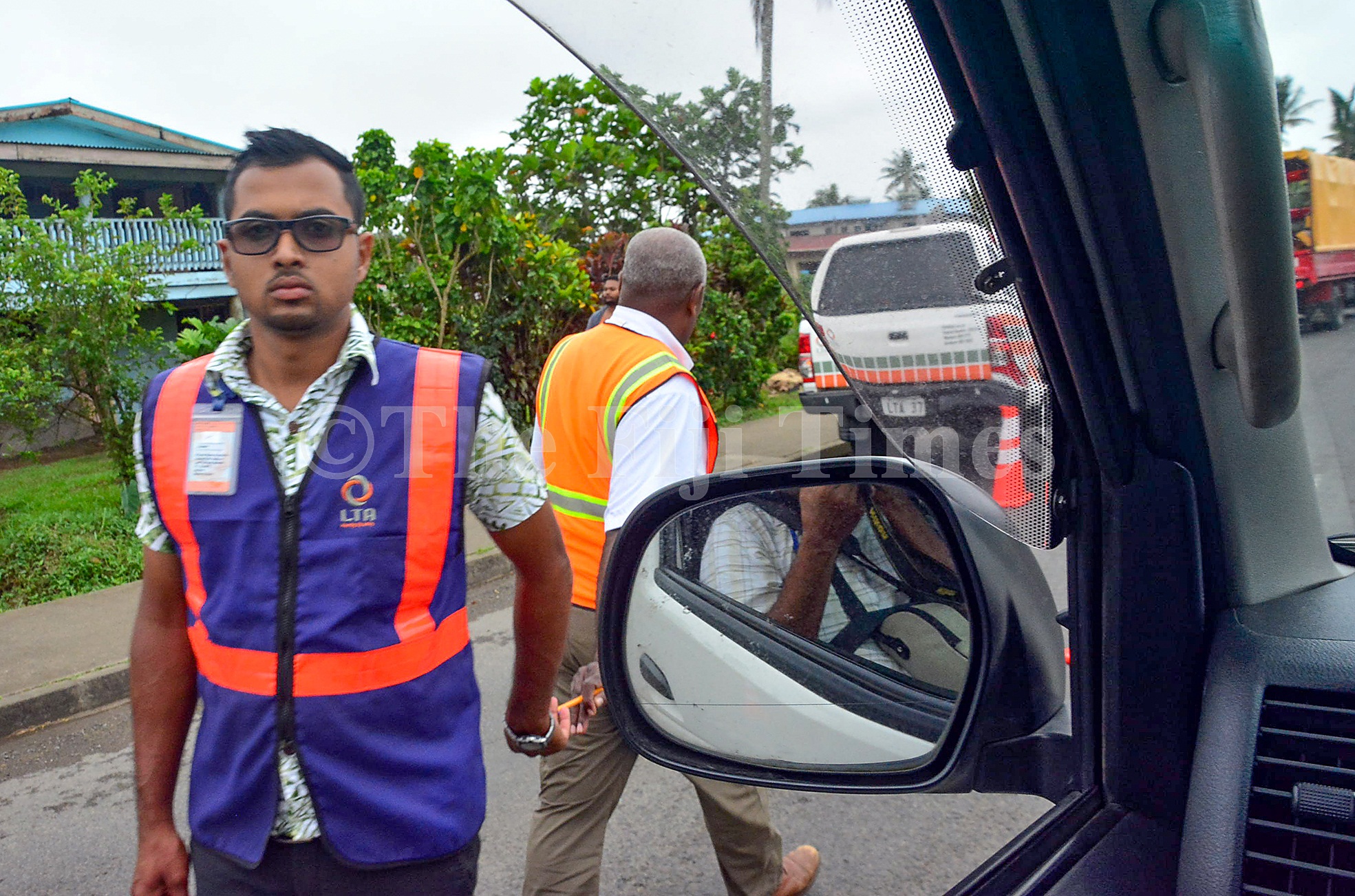
The revelation that the Land Transport Authority only has 95 enforcement officers to assist the Fiji Police Force in looking after 144,000 vehicles and 320,000 drivers in Fiji is going to attract attention.
That’s quite a big gap. Minister for Transport Ro Filipe Tuisawau told Parliament on Friday, despite this, maintaining the safety of all those on the roads was important.
“Fiji has a population of over 900,000 and the vehicle population is 144,000 with more than 4000 PSV registered vehicles, and public transport make up 99.83 per cent,” he said.
“There are more than 320,000 registered drivers, with nine classifications of driver licensing categories. Of these 320,000, approximately 50,000 are registered PSV drivers, including taxis, carriers, mini-buses and omnibuses.
“There are only 95 enforcement officers in LTA nationwide that assist the police.
“Land Transport Authority is working to recruit more officers. Unfortunately, in the last government, 104 positions and 33 of which were for public transport officers, and enforcement officers were shelved by LTA. We are working on rebuilding this as a priority.”
As we look forward to the powers that be making good on their decision to take action, we hope there are processes in place to ensure attention is focused on empowering those already tasked to protect us on our roads.
Laws are there to serve as a guideline for us all. We realise that people should be following them if we want to ensure everyone’s safety. We hope consideration is given to empower the police highway patrol officers to also be a bit more proactive and be a bit more visible sometimes.
Right now, most of the time, they are hiding in driveways along the highway, and sometimes behind hedges, using their radar guns to stop speeding drivers. It is common for motorists to warn others about police presence on both ends of the highway from where the police vehicle is parked.
How about being radical sometimes, and doing the opposite by being more visible on a few days, and staying in full view of the public, ensuring drivers are slowing down because they know the police highway patrol vehicles are around.
So in effect what you may have is drivers slowing down for a few kilometres before the highway patrol vehicles on both ends of the highway. It makes sense then that they could serve as deterrence for speeding motorists, if you strategically space out the highway patrol vehicles while considering the placement of road cameras.
The ultimate goal should be more than just forcing drivers to reduce speed and sticking to the speed limit! It should also be about vigilance and being proactive. In saying that, we reflect on the need to be guided by the laws that govern road usage.
The challenge is always going to be on drivers and road users to follow the law. That has to come from within. There has to be consideration for life, and the value we place on protecting people on our roads. Lives depend on us all being engaged and promoting road safety.

