
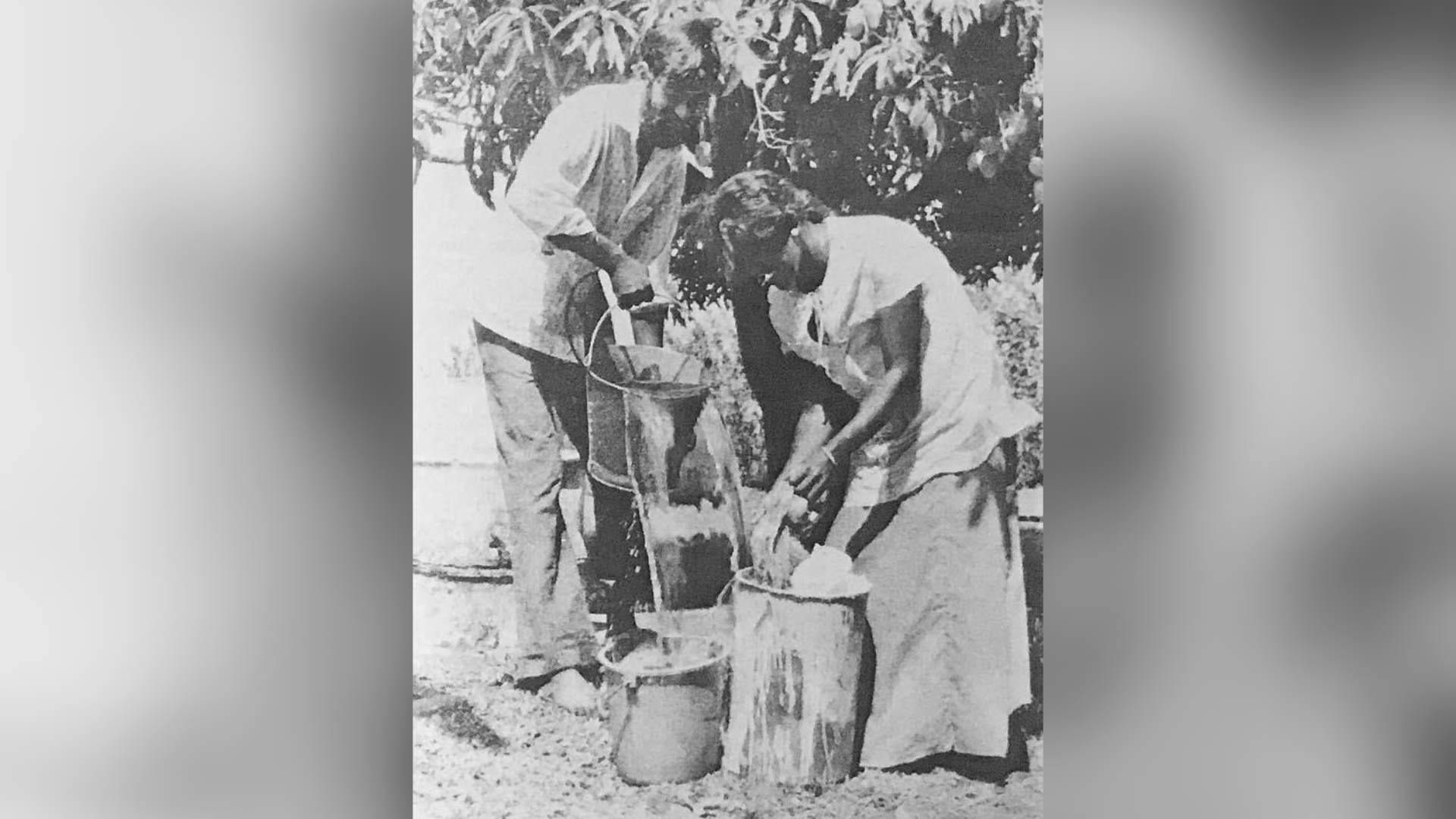
Our water problems and drought are not new. In 1977 for instance, the great western drought was on.
Hard luck stories emerged daily from sun-scorched cane fields, Fiji’s biggest money-spinner. Wells, the traditional source of water in many areas, were drying and to conserve water for domestic use, hundreds of women daily carried their washing to the nearest creek, often up to two miles away.
Children below school age were called on to help and were spotted with their mothers carrying the washing along rutted tracks and through cane fields to the creek.
Many people among the 300-odd who made up a settlement in Naviyago in Lautoka, spent close to $400 each to install water tanks and buy engines to pull water from wells.
They feared their efforts were in vain because the wells were drying up so there was no real use of the engines.
A Ba farmer showed The Fiji Times how his cattle had gone thin because of poor feed. He said he planned to kill some to get them out of their misery.
At Raviravi, Ba a piped water supply from a self-help scheme gave only sporadic benefit to those who paid for it.
The drought had dried up the source and the people had to dig wells and look for other sources of water.
A 60-year-old Raviravi farmer, Mr Sardar Ali, who could not do strenuous work because of a weak heart and received $6 a month in allowance from Government, cut down his grocery bills by growing his own crops.
His bills later shot up because he could no longer water his garden. He had to save water for home use.
Living a few miles inland from the sea, Naviyago people watched their sugarcane slowly turn thin and wither.
A prominent Naviyago resident, Ram Sharma said he had seen bigger droughts. “But at the rate this one is progressing, it will not be long before it takes on the proportions of the previous ones,” he said.
Mr Sharma said at Naviyago, wells could be dug to a depth of only about 15 feet. Salty water was present below this depth because of its proximity to the sea.
Restrictions on water use was imposed on Ba, Lautoka, Tavua and Levuka and there was a possibility similar orders would be placed on Nadi, Sigatoka and Rakiraki.
The Commissioner Western, Narsi Raniga, said people living in restricted areas had responded well to the call to conserve water, but the situation was still far from good.

