
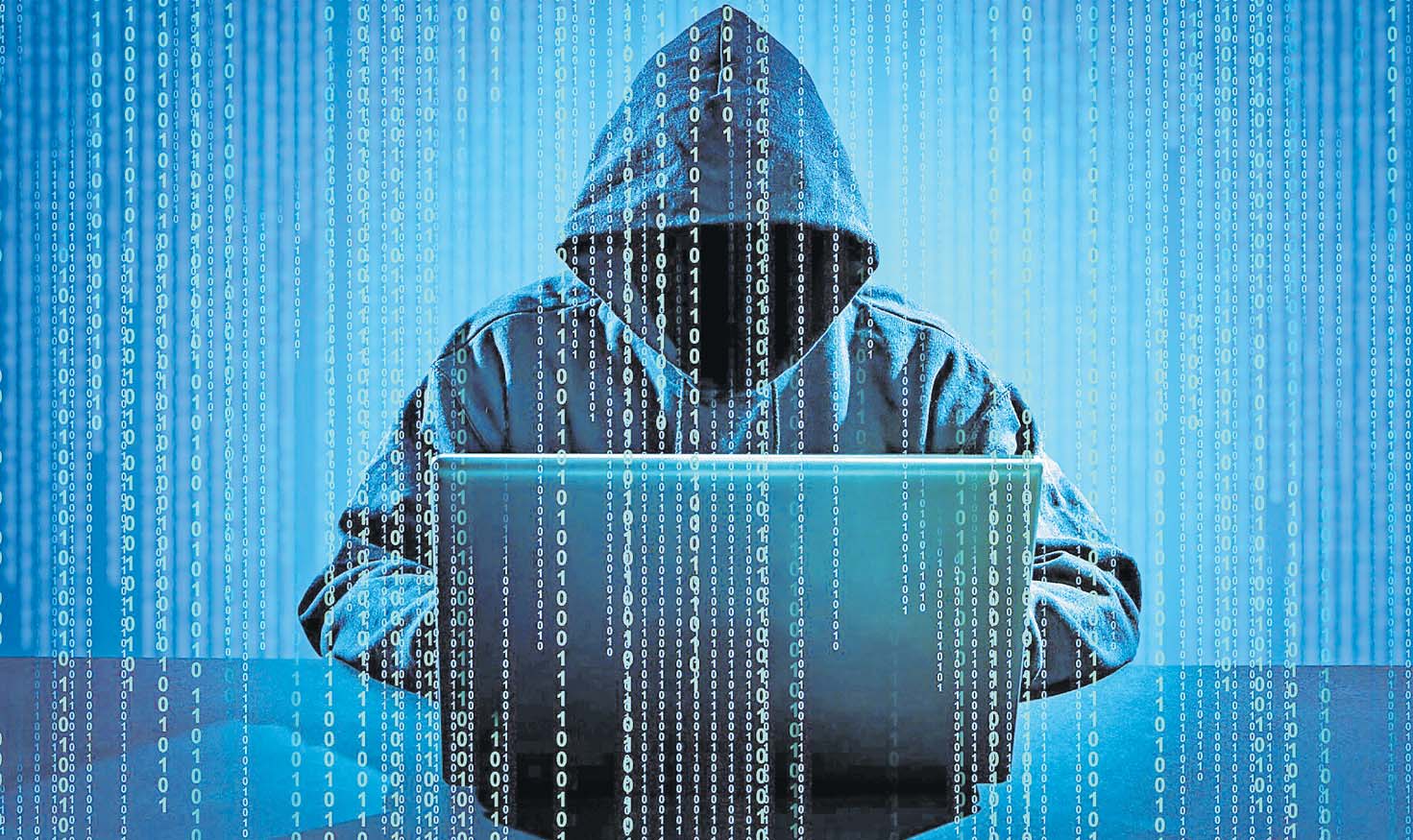
There’s an old saying from when the Internet was just becoming mainstream that on the Internet “nobody knows if you’re a dog”. An article I read on Wired.com (which I have used in parts below) takes a different slant to that as to the Darknet. We all spend hours scrolling through our phones doing anything and everything.
The Internet has made us understand the world in a better way. However, there are things hidden on the Internet, not achievable by every person, which hold the darkest realities of the world.
The “Dark Web” is not accessible by an average browser. It requires highsecurity authentication and special access to browse it. But there are good reasons why a person should avoid entering the dark web world at all costs.
“My Dark Web Story” is a short article by Darius posted on reddit.com a few years ago. The account user claimed to have been telling his personal experience on the dark web. The guy with the username “DaRealEddyYT” said he wanted to surf the dark web as he had heard many stories.
Out of curiosity, he downloaded the Tor Browser, which allows user anonymity and security. As Darius logged in, a text popped up: “Want a surprise? Click on this link.” When he opened the link, he saw a room with a chair in the middle.
The room was dark, with light coming from only one direction. It was clear that a girl was kept bound in the chair. Darius felt disgusted and tried to leave the stream when he got a message stating, “Leaving so soon, Darius.”
The anonymous user then proceeded to send Darius his personal information, including his address, which terrified him as Darius did not know his security was at risk even after using Tor. He deleted the application, but later discovered his phone camera was hacked.
He also claimed that he left his house once, and when he got back, his home was already unlocked, where he found a note saying, “Thought we wouldn’t find you?” The Reddit story was never updated afterward.
It cannot be said for sure if the story was true or a hoax or a conspiracy theory, but much more terrifying real-life stories can be found regarding the web’s dark side. There’s a reason why the dark web is not accessible to everyone.
Anything illegal that can be possibly imagined is found on the dark web. It is a hub of all that’s bad. From organ selling, drug dealings, and money laundering to human trafficking, there’s nothing that cannot be found on the dark web.
It deals with illegal drugs, pirated software, access to people’s credit cards, bank details, and personal information of people — all can be found in a matter of seconds if you know where to look.
Similar to different websites on Google, there are also reserved websites on the dark Picture: blog.radware.com web. For instance, the Silk Road Website, which persisted from 2011 to 2013, became one of the top digital black markets of the time.
The founder and processor of the site, Ross William Ulbricht, became an obsession for the FBI over time. The money laundering and black operations over the site increased gradually, and it became a criminal enterprise.
It used credit card information, and the payment was made in Bitcoin. With that, the FBI was close to getting their hands on the person responsible for running the site. In 2013, the bureau shut down the Silk Road, and Mr Ulbricht was arrested.
He was found guilty two years later in 2015, given two consecutive life sentences and an additional 40 years in prison. He made an appeal in 2016 as he considered his charges unjust, but the request was denied, and he is still serving his time.
The harsh sentence resulted from something more than just operating a black marketing site. He was also found guilty of making “murder-for-hire” deals — allegedly involved in commissioned murders, and earned over $US7m ($F15.7m) in just a short time. Along with other creepy stuff on the web, bidding on people is also one of the tops. A 20-yearold British model, Chloe Ayling, got a photo shoot in Milan and was kidnapped.
When in Milan, the mother of a two-year-old boy received a fake offer from an ad agency that was willing to shoot with her. As she reached the given address, she was welcomed by four men who gave her anaesthesia and put her in a duffle bag.
She was held captive for several days, and her pictures were uploaded on the dark web, with her price: $300,000. The group that kidnapped her called themselves “the Black Death Trafficking Group” and intended to sell her for nefarious purposes.
She was told that two Black Death foot soldiers had abducted her. As the kidnappers realised that the woman was a mother, they let her go because mothers were less appealing to men looking to buy slaves.
One of the group members Lukasz Pawel Herba was caught and jailed in July 2018 to serve 16 years and nine months in prison. The creepy bidding stopped because of Chloe’s luck that she was a young mother.
But it goes beyond one’s anticipation of how many others would be in such danger every day without them knowing about it. Organ selling is another aspect of the dark web that many do not know.
Desperate patients who cannot get their hands on the organs need often look for “brokers” on the dark web to get the job done. The transactions and dealings are not done directly between the donor and the customer, and the broker is the middle man for the job who takes care of all of the dealings. The transactions on the dark web are done using Bitcoin, and the Tor server allows personal information to be on the web.
According to the reports of the World Health Organization (WHO), there are over 10,000 illegal organ transplants that take place every year. Organs from eyes and hearts to kidneys, everything has a price on the dark web.
For personal security, it is better to control curiosity and never look up the things that can put our lives and privacy at stake. While it may be fascinating and tempting to know what goes on in the world that we don’t know about, it is also better to prioritise our well-being first because one never knows how bad it can get.
With Telecom Fiji’s Internet Services, I was personally involved in the first online paedophile and possible child trafficking case in Fiji back in the late 1990s and while innocently taking part in the Interpol (involving Australian Federal Police for the Australian Expat) investigations I saw online images downloaded to a client’s server that probably caused a form of delayed PTSD. No one can un-see things.
As some wit observed: “The only way to maintain privacy on the Internet is to not be on the Internet.” Unfortunately that is pretty difficult these days! As always God bless and stay safe in both digital and physical worlds.
• ILAITIA B. TUISAWAU is a private cybersecurity consultant. The views expressed in this article are his and are not necessarily shared by this newspaper. Mr Tuisawau can be contacted on ilaitia@cyberbati.com

