
Biodiversity loss ranks third among top global risks by severity in the next decade, behind climate action failure and extreme weather, studies have shown.
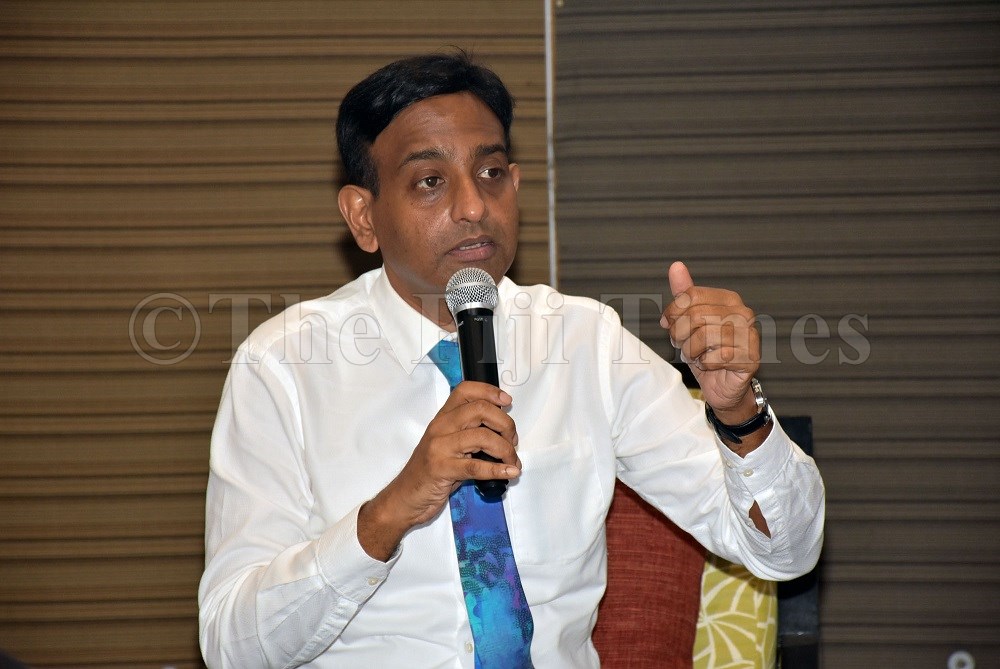
Ministry of Environment permanent secretary Joshua Wycliffe also cited a study by JP Morgan that indicated that financial risks from biodiversity loss was often overlooked by investors, regular assessments he said were crucial to businesses.
He said according to the World Bank, by 2030, the decline of biodiversity and ecosystems could cost around US$2.7trillion annually, or 2.3 per cent of global gross domestic product, with poorer countries being hit the hardest with a GDP drop of more than 10 per cent.
“This begs for the need to reframe the impact of nature-related risks on the financial performance of businesses,” Mr Wycliffe said.
“Businesses need to assess the biodiversity loss footprint left on the spaces from whence they operate.”
Mr Wycliffe said through the Task Force on Climate-Related Financial Disclosures (TCFD) format, many companies reported on carbon emissions.
He said while biodiversity-related risks were not as easy to measure as climate change metrics like carbon emissions, it was important that they were regularly identified, assessed and disclosed by businesses through processes like an environmental impact assessment (EIA).
“By having those regular assessments and disclosures, it will help private sector have an accurate understanding of how much capital buffer there is in the long-term impacts of nature-related risks.”
Mr Wycliffe said according to recent reports, over half of the world’s GDP or US$44trillion of economic value was at immediate risk as a result of nature loss.
However, he added that stalling this loss and making investments with “nature-positive” outcomes could create new business opportunities worth US$10trillion annually, and create 395 million jobs by 2030.

