
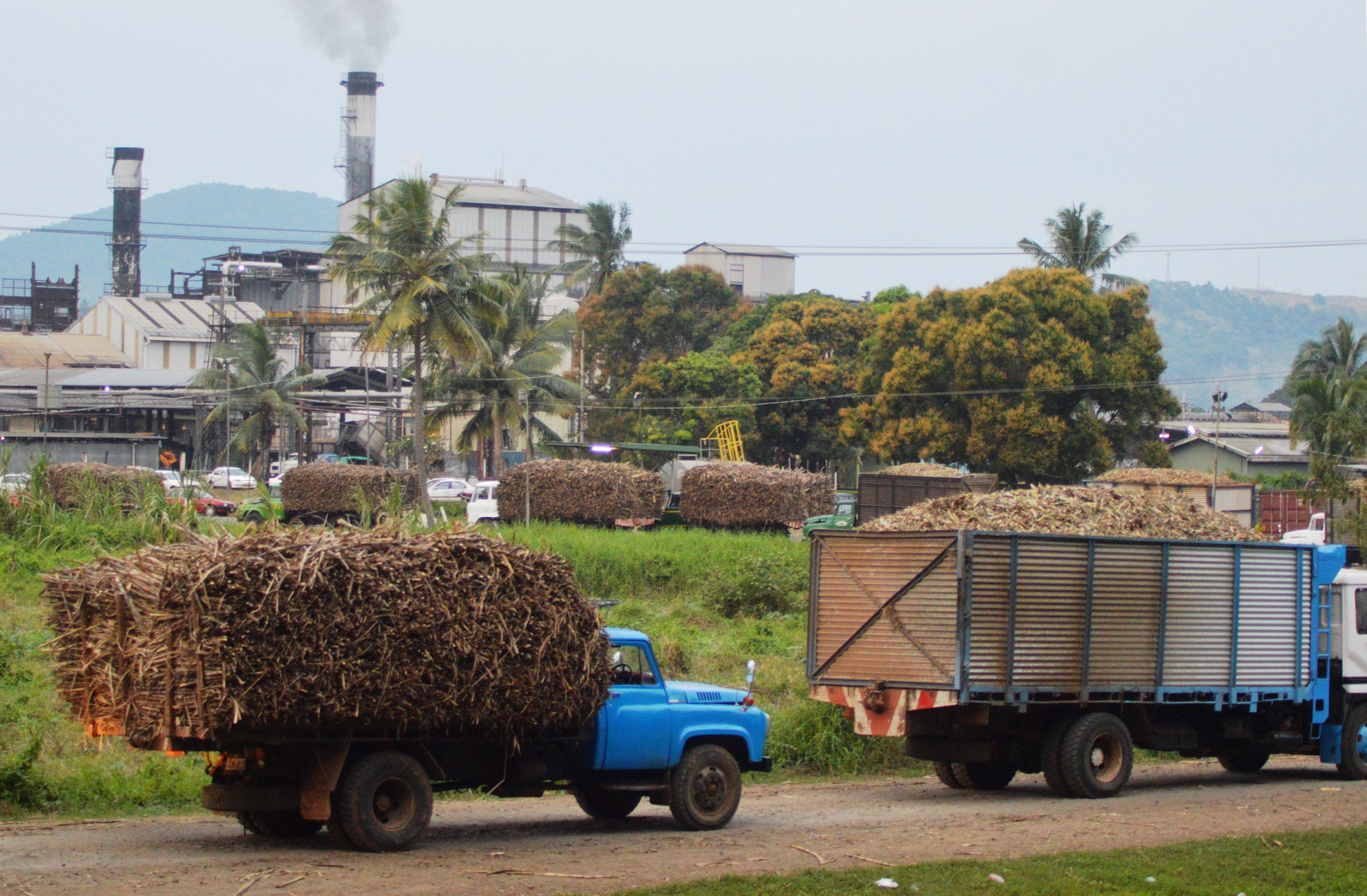
The Labasa Sugar Mill on Vanua Levu made massive extensions in 1980 when there was an addition of a new 200,000lb Yoshimine boiler, along with a new crushing mill.
An article published by The Fiji Times on March 23, 1980 said that both machines were ready for usage in time for the crushing season.
The new machines, added together, allied expansion in the factory, which gave it the capacity to crush 250 tonnes an hour that year.
Much of the extension was hidden inside the huge buildings of the mill before the Labasa skyline had changed.
A third mill chimney and a 900-tonne bagasse silo was the outward sign to the public that there was a new multimillion dollar investment in the bustling North.
The silo is interesting in that it will not allow greater use of bagasse as fuel for boilers, thus reducing the use of now highly expensive oil. This, in turn, makes Fiji sugar more efficient and competitive.
But extensions to the mill had not been the only improvements to the Fiji Sugar Corporation plant in the North. In 1977, FSC began building a new 3000-tonne bulk sugar terminal and wharf at Malau.
In 1978, for the first time, all sugar was kept in this terminal and loaded in bulk by conveyor belts.
With the bulk system in place, it was then possible to ship sugar at the rate of 500 tones an hour, ten times the old loading rate for bagged sugar.
This was of no surprise, as Labasa has always been a place for innovation and growth.
The mill began work in 1894 and in that year crushed what was then a remarkable 34,044 tonnes of cane at an average rate of 17.4 tonne per hour.
During the time CRS Ltd ran the mill, as it continued to grow until it set a record of 519,352 tons of cane crushed in 1970.
This figure has now been far outstripped. Both cane acreage and mill production has risen steeply. In 1979 a record of 940,636 tonnes of cane was crushed at an average rate of 185.5 tonnes an hour.
Estimates at that time indicated that the likely crop for the 1980 season will be about 1.1 million tons drawn from 18,755 hectares of a cane field.
That was an awful lot of sugar being grown in the Bustling Friendly North as it was, and still is, a vital part of the economy.

