
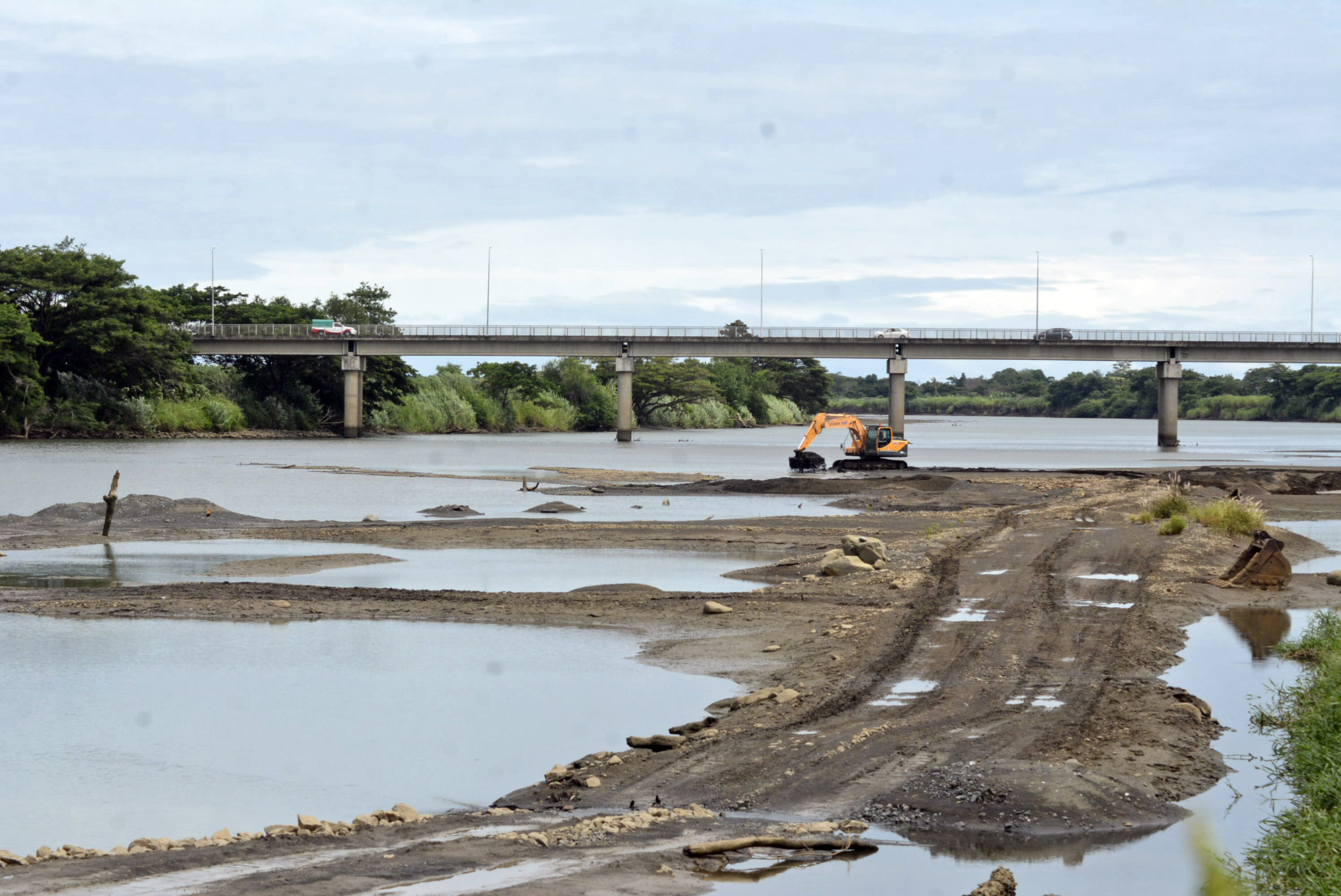
There is no central database on potential sand and gravel sites around the country with the Ministry of Lands and Mineral Resources, says the Auditor-General.
He said this in his report on the Performance Audit on the Licensing and Monitoring of River Gravel and Sand Extractions report that was tabled in Parliament recently.
The OAG said the database would be very useful for all the stakeholders to see which sites were available and could be granted licences for.
“Maintaining a database for all potential river gravel and sand extraction sites would also be useful because not all sites would have enough quantity of gravel to be extracted,” said the OAG.
“This database could also help monitor a lot of environmental issues.
“The environmental impacts of gravel and sand extraction are not always readily obvious and hence have long been underestimated.
“The cumulative, far-reaching effects of numerous uncontrolled operations have contributed substantially to the degradation of river and coastal ecosystems.
“Gravel and sand are drawn mainly from riverbed deposits and from the beach zone, both onshore and offshore.
“River gravel and sand extraction changes the physical characteristics of the extraction area and disturbs the closely linked flora, fauna, hydrology and soils.
“Negative effects are not limited to the site itself, but may extend to other parts of the coastal or river system.
“To safeguard the future of river gravel and sand extractions and the continued viability of other uses of the resource base, the environmental effects must be controlled.”

