
(Reuters) – Speaking at a private dinner for tech security executives at the St. Regis Hotel in San Francisco in late February, America’s cyber defense chief boasted how well his organizations protect the country from spies.
U.S. teams were “understanding the adversary better than the adversary understands themselves,” said General Paul Nakasone, boss of the National Security Agency (NSA) and U.S. Cyber Command, according to a Reuters reporter present at the Feb. 26 dinner. His speech has not been previously reported.
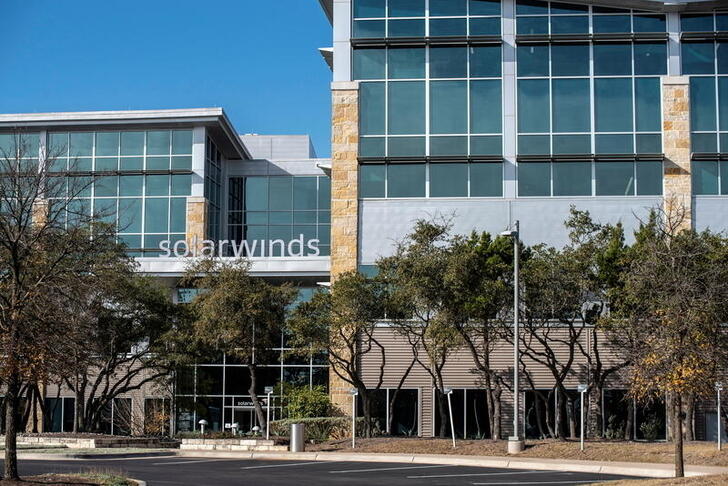
Yet even as he spoke, hackers were embedding malicious code into the network of a Texas software company called SolarWinds Corp, according to a timeline published by Microsoft and more than a dozen government and corporate cyber researchers.
A little over three weeks after that dinner, the hackers began a sweeping intelligence operation that has penetrated the heart of America’s government and numerous corporations and other institutions around the world.
The results of that operation came to light on Dec. 13, when Reuters reported that suspected Russian hackers had gained access to U.S. Treasury and Commerce Department emails. Since then, officials and researchers say they believe at least half-a-dozen U.S. government agencies have been infiltrated and thousands of companies infected with malware in what appears to be one of the biggest such hacks ever uncovered.
Secretary of State Mike Pompeo said on Friday Russia was behind the attack, calling it “a grave risk” to the United States. Russia has denied involvement.
Revelations of the attack come at a vulnerable time as the U.S. government grapples with a contentious presidential transition and a spiraling public health crisis. And it reflects a new level of sophistication and scale, hitting numerous federal agencies and threatening to inflict far more damage to public trust in America’s cybersecurity infrastructure than previous acts of digital espionage.
Much remains unknown — including the motive or ultimate target.

