
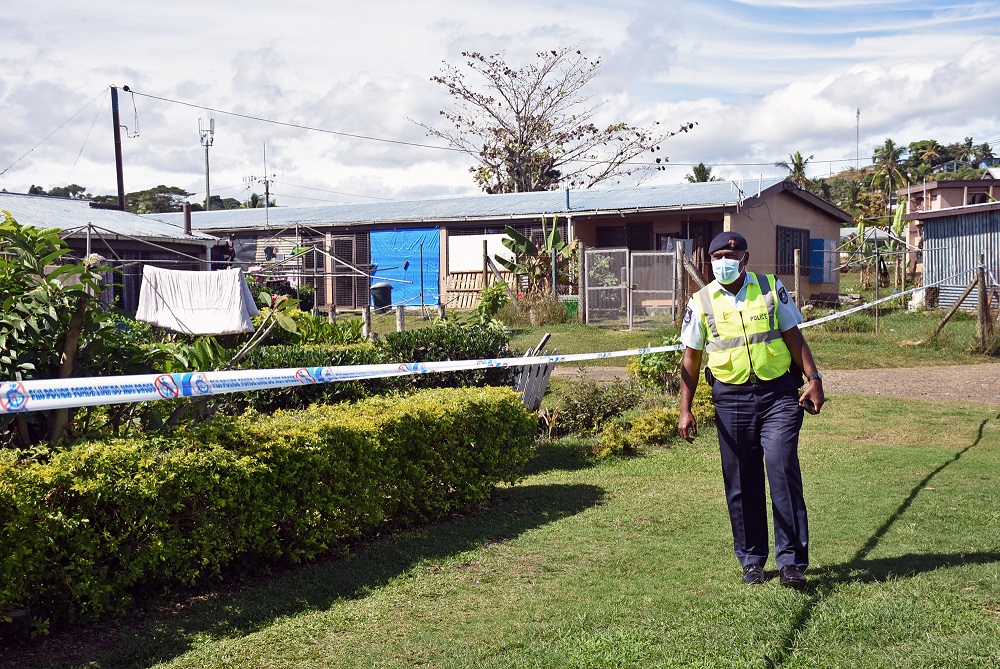
Poverty rates were highest among people renting in Government-subsidised housing, and almost 50 per cent of those living in poverty accessed water from a river, creek or a tank.
This was reported by the Fiji Bureau of Statistics in its 2019-2020 Household Income and Expenditure Survey (HIES) which found that 258,053 of Fiji’s total population of 864,132 were living in poverty — of which 192,977 were iTaukei.
The study said 55 per cent of the poorest Fijians were people living in Government-subsidised housing, 34 per cent were occupying a rent-free house and 31 per cent owned a house.
Of the poorest of Fijians, 16 per cent were renting from a private landlord.
The HIES findings showed a high poverty rate of 56 per cent was reported for people who had no access to electricity compared to those connected to the Energy Fiji Ltd grid.
The study also said about 38 per cent of Fijians using home solar systems were ranked among the poor in 2019-20, against 34 per cent for those who accessed electricity from diesel plants.
Also of concern was the fact that more than half of the population living below the poverty line accessed their water from rivers, creeks or roof tanks.
The least poor was the 23 per cent of Fijians who accessed metered water supply.
The HIES report said the rest of the population who had access to other sources of water supply recorded poverty rates that ranged from 30 per cent to 49 per cent.
At the national level, about 66 per cent of Fijians already connected to metered water were reported as living below the poverty line, followed by communal standpipe at 25 per cent, and 5 per cent for those who had a borehole.
The survey revealed that out of the 258,053 out of Fiji’s total population living in poverty, 200,871 were Christians, 41,042 were Hindus and 11,679 were Muslims.
The survey also found that 66 per cent of Fiji’s total population — or 570,327 Fijians — were over 18 years of age.

