
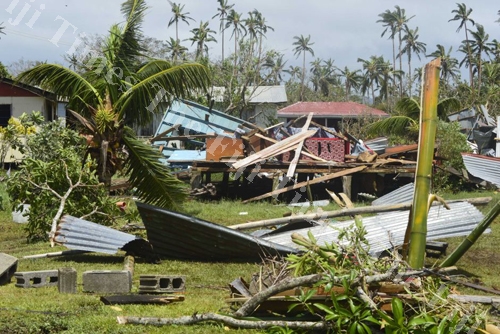
A total of $2 billion was amounted for the damage after the 12 tropical cyclones that Fiji encountered.
Rural and Development permanent secretary David Kolitagane while revealing this said Tropical Cyclone Winston in 2016 affected 540,400 people of the country’s population, causing 44 fatalities, destroying 30,369 houses, 495 schools and 88 health clinics.
This, he said, demonstrated the purpose to building back better through the integration of resilient and sustainable measures.
“Our focus is in ensuring meaningful exchanges to strengthen our effort for risk-informed development,” he said.
“Through risk informed development we can help to safeguard our unique island environments from climate impacts such as sea-level rise, severe cyclone events, flooding and droughts.”
Mr Kolitagane said the ministry’s Risk Informed Development projects had demonstrated strengths and resilience where necessary climate change and disaster risks were identified with adaptation and mitigation measures included.
“Such investment incorporating the current and future environmental and climate risks will safeguard access to basic services and reduce vulnerability to climate-related extreme events and the other economic, social and environmental impacts.”
Meanwhile, last week the Ministry of Rural and Maritime Development and Disaster Management and the United Nations Development Programme’s (UNDP) Governance for Resilient Development in Pacific (Gov4Res) Project organised a one-day project site visit for donor partners and government representatives from four neighbouring Pacific Islands as part of enhancing donors and partners understanding of the risk informed development work in Fiji.
And since the since the inception of the RID initiative by the ministry in 2020, a total of 30 Government projects implemented under the Ministry’s Community Access Roads, Footpaths and Footbridges Program and the Self-Help Program have been completed integrating the RID approach.

