
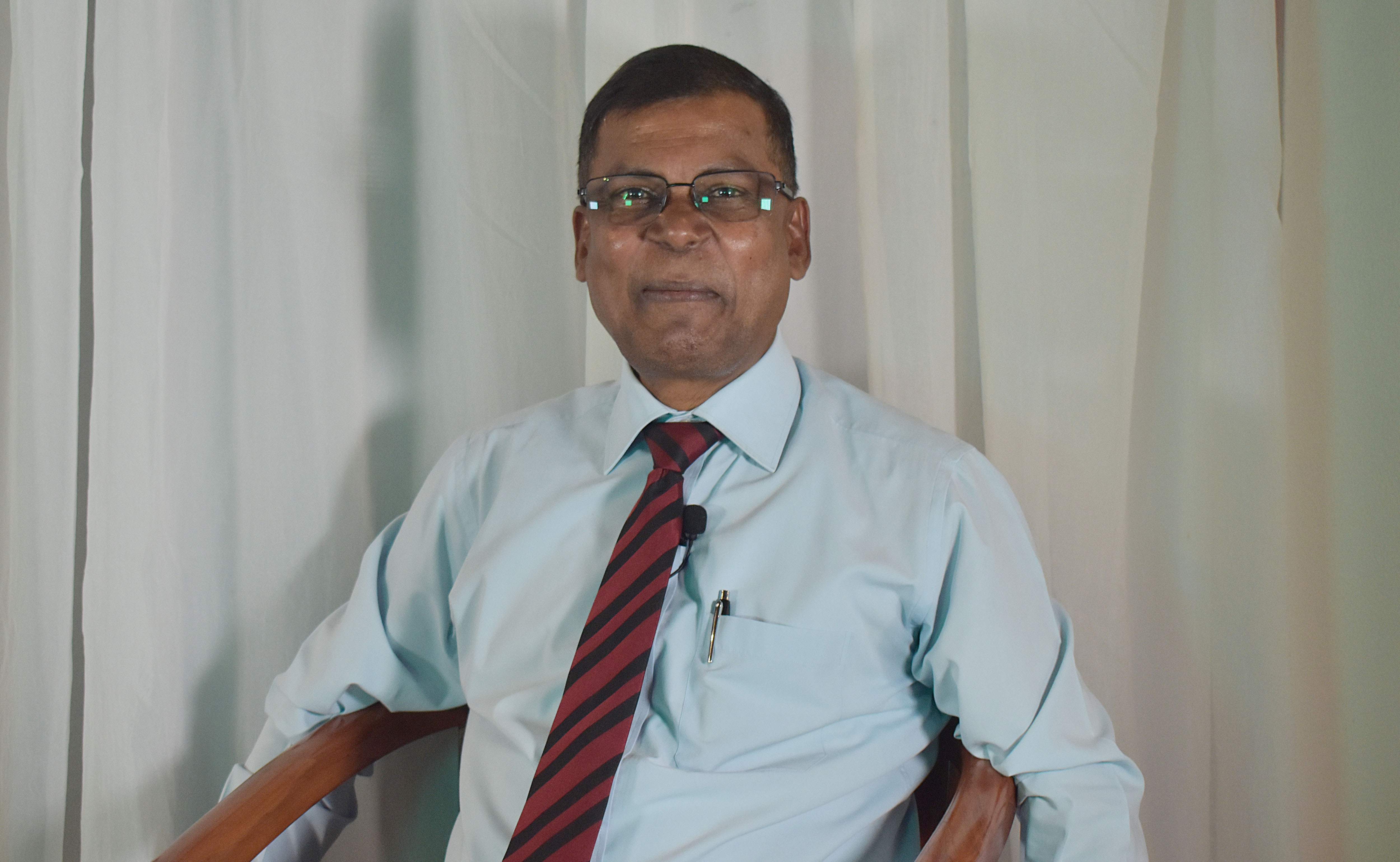
Reviving agriculture and the sugar industry are key to reducing poverty in Fiji because “every dollar that comes in, stays in” unlike tourism, says National Federation Party leader Professor Biman Prasad.
He also said establishing a planning office and hosting an economic summit twice a year was urgently needed.
While speaking on The Lens @ 177 to show host The Fiji Times West bureau chief Anish Chand, Prof Prasad said poverty was not just about people not being able to afford things.
“Sometimes you can’t control the rise in price, but you have to deal with the income level,” he said.
“The real incomes of the people have continued to decline over the years and the cost of living has hit the roof, and during the pandemic, it became worse.
“We still haven’t got to even $4 minimum wage and the cost of living is hitting the roof.
“So first of all, we will look at how we can revive agriculture, how we can revive the sugar industry – because (the) sugar industry has a huge multiplier effect, every dollar that comes in stays in the country unlike the tourism sector, (where) a good percentage of the dollar leaks out of the country.
“Plus, we have to work with the employers and we have to work with the unions and we have said very publicly that we will have a national economic summit maybe twice a year. We will have a workers and employers summit at least once a year so we can all work in partnership.
“The People’s Alliance and NFP government will be a government that will work with the stakeholders because our objective is to raise growth in the economy. Our objective is to reduce poverty – which is very high.
“The official rate which they got changed from 29 to 24 after they sacked the Government statistician, my estimate, is in that report itself, you know when you had 28 or 29 per cent, it said 15 to 20 per cent of people were on the margins of poverty.
“When (the) COVID pandemic hit us, all of them would have gone into poverty, so at that time we could’ve been looking at about 50 per cent of the people struggling to make ends meet. We don’t know how many people, out of that 15 to 20 per cent, would have slipped into poverty, have already come out.”
Prof Prasad claimed now economic policies were a “one-man show” and that was what the party hoped to change.
He claimed they also had plans to start assisting people immediately should they come into power. He said this included working in tandem with community groups, NGOs and faith-based organisations – groups on the ground who knew where the most vulnerable and poor lived and which families needed assistance.

