FIJI has recorded a 16-percentage-point decline in physical and sexual violence against women by intimate partners over the past 15 years, although almost half of ever-partnered women continue to experience abuse.
Fiji Women’s Crisis Centre (FWCC) coordinator Shamima Ali said the findings showed that sustained efforts to address violence against women were making a difference, but warned against becoming complacent.
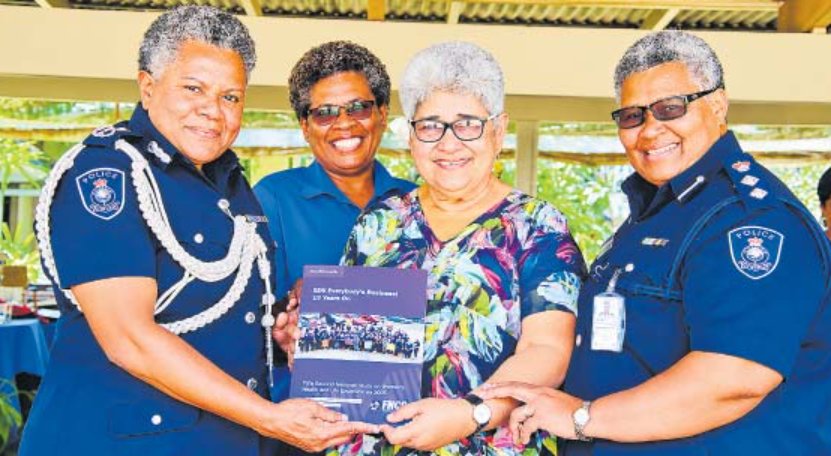
She revealed this while speaking at the launch of Fiji’s second National Study on Women’s Health and Life Experiences 2025, titled Still Everybody’s Business! 15 Years On, at the Novotel Hotel in Nadi last week.
The study found that the proportion of women, who had experienced physical and/or sexual violence by an intimate partner during their lifetime, had fallen from 64 per cent in 2010 to 48 per cent in 2025.
Ms Ali said the decline demonstrated that violence against women could be prevented through sustained efforts by organisations, communities and other partners.
“The decline in physical and sexual intimate partner violence over the last 15 years is significant and gives us reason to recognise the importance of sustained efforts to address violence against women,” she said.
“It tells us that violence against women is preventable within lifetimes, and that the work undertaken by the Fiji Women’s Crisis Centre, women’s rights organisations, communities and other partners over many years matters.
“But we must not mistake progress for the end of the problem. Almost half of ever-partnered women in Fiji have experienced physical violence during their lifetime.
“Behind these statistics are women, families and children whose lives have been affected by violence. We cannot become complacent.”
The research also revealed that 58 per cent of women had experienced emotional violence by an intimate partner, while 60 per cent had experienced some form of coercive control by their current or most recent husband or partner.
It further found that 35 per cent had experienced economic violence during their lifetime, while 21 per cent had experienced sexual violence by an intimate partner.
Led by FWCC in partnership with the Fiji Bureau of Statistics and the Equality Institute, the study interviewed 3465 women aged between 18 and 64 across Fiji’s four geographical divisions.
Ms Ali said the research provided an important evidence base to assess the effectiveness of existing interventions and identify areas requiring stronger responses.
“This study belongs to the women of Fiji who shared their experiences with us. We owe it to them to ensure that their voices are not simply recorded in a report and then put aside.
“Their experiences must inform the decisions we make, the resources we allocate and the actions we take as a country.”