
An additional $1.8million has been allocated for improvements to the Moturiki Water Project, with works set to take place next month.
Water Authority of Fiji (WAF) CEO Seru Soderberg confirmed this in response to an article published earlier this week by this newspaper, highlighting that despite the commissioning of the $3.2m Moturiki Water Project in 2022, 10 villages on the island were still without access to consistent and clean water supply.
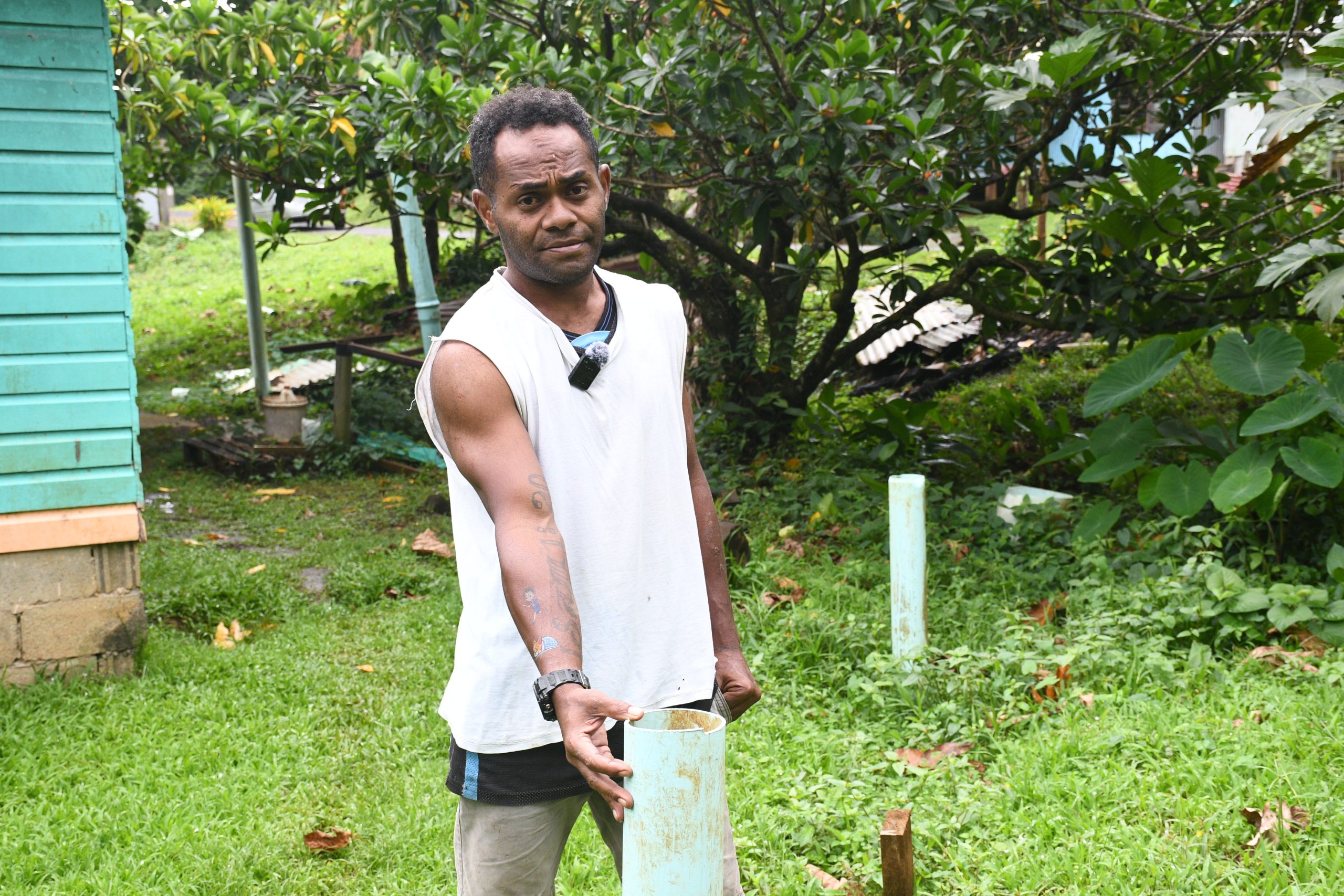
Labelled one of the largest maritime water projects in the country, villagers have had to make countless journeys by boat and on foot from Moturiki to Navuloa Village on Ovalau over the past three years to constantly repair and replace damaged pipes in their effort to maintain water supply to the villages on the island. As a result, supply to some villages has ceased, forcing people to revert to sourcing water from wells and water tanks.
“WAF’s investigations confirm that the main cause of disruption lies within a vulnerable 4.6-kilometre section of the water pipeline between Navuloa and Wainaloka,” he said.
“This section lies in a low-lying area exposed to high operating pressure and frequent pressure surges. “Over time, these conditions have caused repeated pipeline bursts, leading to an unreliable supply to Moturiki Island.”
The works will include replacement of the 4.6km of pipeline with high pressure-rated high density polyethylene pipes, servicing and reactivating break pressure tanks, and installing additional control mechanisms to stabilise the system. “Construction is expected to commence mid-September (with) mobilisation of equipment and materials to Moturiki and Ovalau in early September.”
Mr Soderberg said while the exact cost of maintenance was being collated, repairs to date had involved modest direct costs. “However, the frequency of disruptions and community inconvenience have warranted a full-scale technical rectification to permanently resolve the issue.” He said WAF had now expanded its preferred supplier list to include quality-assured HDPE fittings.
“All future rural water projects now undergo rigorous material assessments as part of Water Safety Management Plans.”
Mr Soderberg said inadequate pressure control infrastructure, lack of strategic appurtenances to absorb pressure surges and incomplete community engagement during the original rollout were additional challenges they were now looking to address through engineering upgrades and collaboration with local leaders.
“This project is more than an infrastructure fix — it’s about restoring trust in basic public services.”
He said a formal brief of the technical issues and planned works had been submitted to the Minister for Infrastructure, Ro Filipe Tuisawau, and regular updates would be provided when works commenced to ensure alignment with Government oversight

