
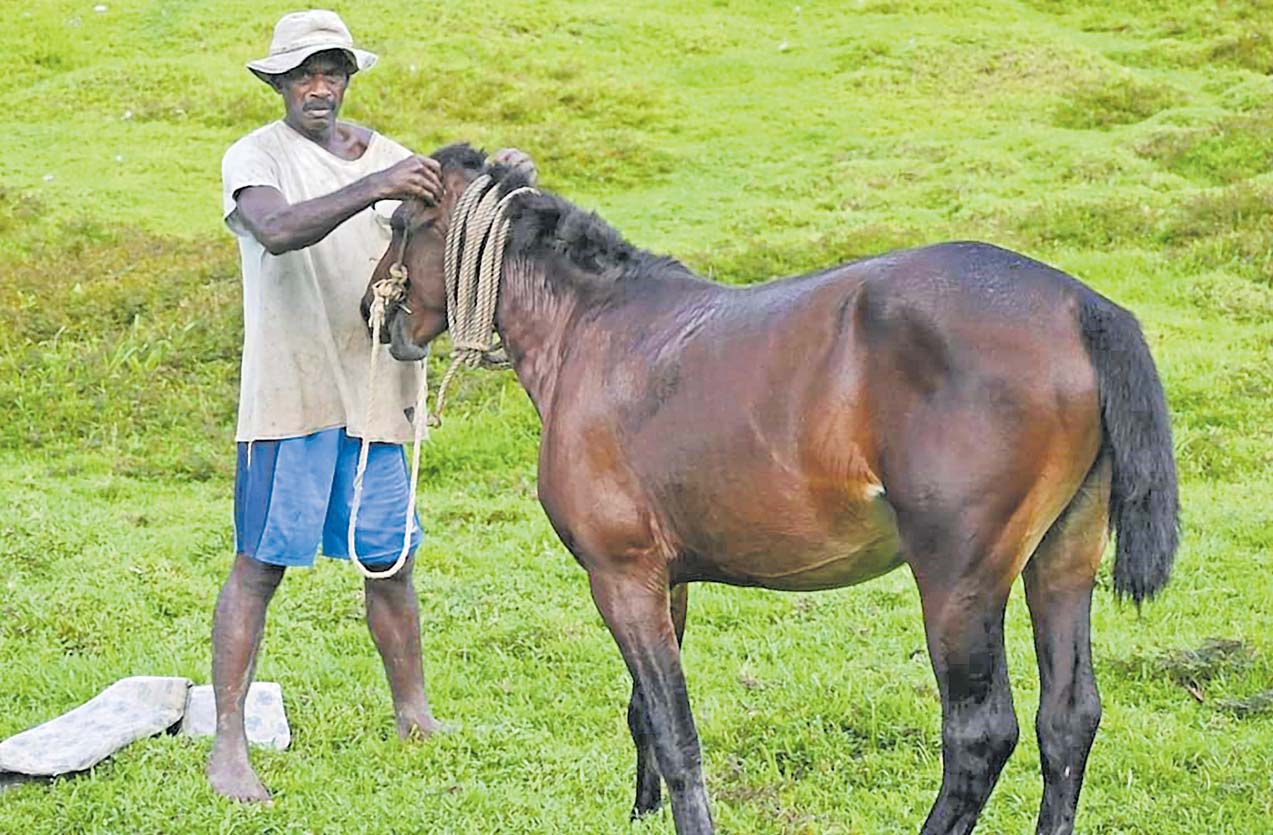
While enjoying a bowl of sui (meaty bones) or any beef dish, people tend to forget the struggles a beef cattle farmer must go through before consumers can enjoy their meal One farmer that endures these challenges is 62-year-old Emoni Baniua of Naivucini village in the district of Nadaravakawalu in Naitasiri.
Years of walking the terrains of Wailase are visible on his thick, calloused, and cracked feet, from rounding cattle on the 157 acres of land where his livestock roam freely.
His parents gave him the ranch after spending 30 years of hard work. During those decades he worked as a helping hand and learned everything there was to know about beef cattle farming.
In the process, his parents were getting him ready to take over the reins of the family ranch. Emoni took over following a lease renewalby the tokatoka (a unit of close family members, smaller than a mataqali or clan) Buluya of mataqali Nasilime, whose land they were leasing.
Nine years after taking control of the 72-cattle ranch from his father, Emoni handles each challenge with determination, prevailing over hindrances and embracing new ones. A hardworking person, he has also taken an interest in yaqona, a commodity he got interested in when his father was still running the cattle farm.
He alternates his time between crops and livestock, permitting him to look after his herd every week and dedicate special days tending to his dalo and yaqona plantation.
“We ensure the welfare of the cattle is taken care of, with an abundance of food and water at the grazing site and keeping track on their health and development with weekly visits,” said Emoni.
People who drink the mystic water of Wailase, referred to villagers as wai ni vosavosa, gain the ability to speak, and amazingly, the cows that drink from it too remain well built.
Emoni has mastered the art of manoeuvring his way around challenges but he hopes to get government to help him with a farm access road. A road would make it easier for him to move stocks.
It would also be something that he could leave behind for the younger generation and future cattle farmers.
To take his cattle to the abattoir, he would have to walk them down from the ranch and cross the river 12 times before reaching the pickup point where the buyer or truck would be waiting.
“The only way to get to our property is by the river. These are the problems my parents and I have had to deal with, so we are requesting government assistance in constructing a farm road,” he said.
He said the cows took a long walk down the river to calm down and prepare to give birth at the pound by the village.
Leaving his stock around the river could be dangerous as natural disasters could bring strong currents, heavy rain and flooding. But behind every challenge of sweat and blood there is sunshine, and Emoni experiences this whenever he sells his stock at the abattoir.
With the help of his two sons, he loads up to 10 cattle for sale and his first sale after he took charge of the cattle farm from his father earned him $11,000 which went towards his family’s needs. Emoni supplies cattle to the abattoir as and when he needs money.
According to Emoni, the money he got from the farm was used to put his children in school, build his house, construct a dam, and buy two vehicles to help with transportation.
In the future, Emoni plans to construct a cattle yard panel fence at the ranch for loading instead of having to walk his cattle down.
His long-term investments are cattle and yaqona, while dalo is his short-term crop. The industrious farmer’s advise to youths is to take advantage of the land to better their lives instead of searching for low-paid jobs or being idle in urban towns and cities.
“If you stay in the village and do nothing, you will achieve nothing, we can all live the lives of those in urban areas, and have access to assets, and proper homes.”
“All we have to do is make use of the resources around us, work hard and keep going until you achieve your vision,” Emoni said.

