
Since the age of industrialisation, conventional agricultural practices have put increased pressure on the land.
And in a quest to produce more per hectare, agrochemicals, monoculture cropping systems and intensive tillage have all led to soil degradation.
However, the move to promote climate smart agricultural practices is now transforming damaged landscapes into thriving ecosystems.
By adopting practices that promote soil health, biodiversity and ecosystem balance, these smart agricultural practices seek to create a harmonious relationship between agriculture and nature, leading to healthier soils, stable yields and a more resilient landscape.
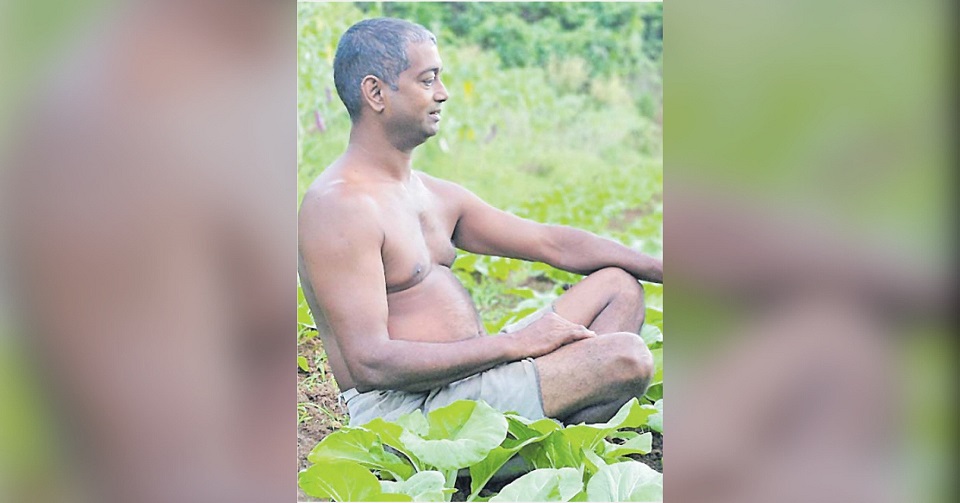
In Nasalia sub-division, Bocalevu in Macuata, 50-year old Yashwin Nair Kumar has been engaged in smart agricultural practices. In doing so he works closely with the ministry of agriculture and waterways to better manage his farm.
Before becoming a full time farmer, the father of two children worked as a taxi driver, school gardener and a truck driver for the Bauxite Mining Company in Bua..
With his wealth of experience, Kumar is now an educated farmer. He ensures that records of all activities carried out on his farm on a daily basis are well documented and protected.
“I am happy to be farming and am always working towards achieving my short to long-term objectives,” he said.
“I always follow the advice given by the technical officers of the ministry as this will ensure sustainability of my crops in the long run,” said Mr. Kumar.
The hardworking farmer obtained a loan from the Fiji Development Bank and purchased a van which he now uses to transport his produce to the Labasa market.
Through dedication and best practices, Kumar was awarded the Best Slope Land Management Farmer at the National Agriculture Show in 2023.
“I have been practicing an integrated approach with advanced technology of agroforestry principles and this is planting yaqona and dalo in between selectively felled forest trees.
His hard work and perseverance was paid off when the Ministry of Agriculture and Waterways assisted him with a power tiller and irrigation kit.
Kumar and his helping wife are two of the most prominent farmers in Macuata’s Wailevu district.
They cultivate pineapples, assorted vegetables and root crops.
Last month, the organic team from the Koronivia Research Station installed a bacterium culture tank on his farm.
Bacterium culture is made from lactobacillus bacteria extracted from raw milk.
Director for Land Resources Planning Division, Amena Banuve says the ministry is looking to enrich soils of used and idle lands through application of organics because whatever chemical fertiliser that is being used now will contribute to unsustainable agricultural practices when abused.
“Farmers often want to hasten the process of weed control by mixing so many weedicides and this eventually kills micro-organisms in the soil,” Mr Banuve said.
“What we are trying to do now is restore microorganisms to the soil and let them thrive, multiply and gradually reduce our consumption of chemical fertilizers.This is where the bacterium culture comes in to enhance microbial activity in the soil.”
The ministry is encouraging all farmers to start practicing smart agricultural practices to ensure sustainability of their farms in years to come.

