
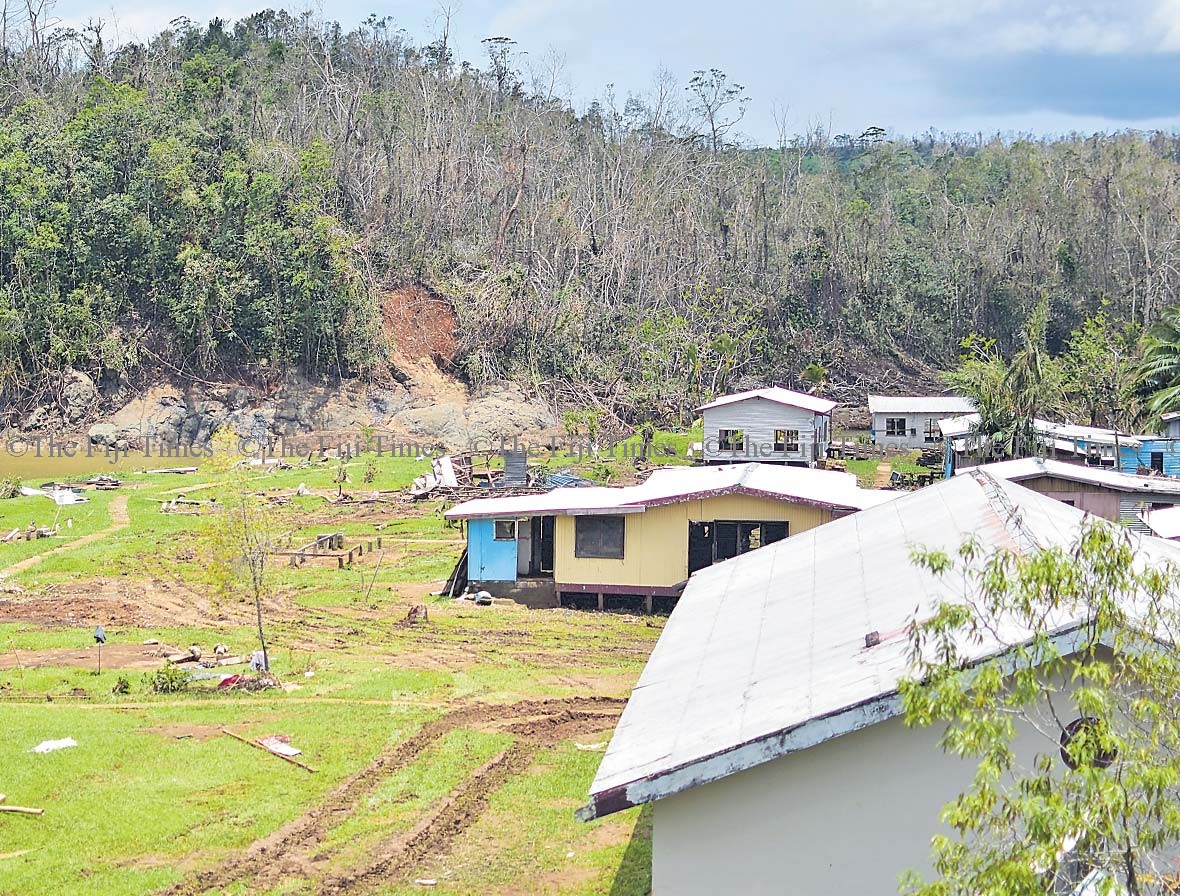
The list of 240 villages in Fiji that have either poor or no Internet connectivity is likely to be expanded following assessments currently being carried out by the Telecommunications Authority of Fiji (TAF).
TAF’s chief executive officer Prit Chand told The Fiji Times that the 240 villages were initially identified under the Telecommunications (Declaration of Universal Service Areas) Order 2013, a subsidiary piece of legislation to the Telecommunications Act 2008, of which Part 3, Division 4 established the Universal Service Scheme that required licensed telecom operators in Fiji to contribute 0.5 percent of their gross revenues as TAF levy for universal service.
“Further assessments are being carried out to expand the list and additional areas with limited or no access to telecommunications services will be included to ensure broader coverage and support for underserved communities,” Mr Chand said.
While telecom companies have been contributing their TAF levy for years, the fund’s perceived lack of transparency and accountability was an issue raised by Amalgamated Telecom Holdings (ATH) chief executive officer Ivan Fong early this month and in an interview with this newspaper, he had called for a review of the telecom companies’ Universal Service Obligation (USO) in light of new technologies now making rural connectivity cheaper for telecom companies to deploy.
The Government, however, is strongly holding onto the purse strings as rural connectivity is something it wants to control for now.
“There have been no recent disbursement from the fund, and TAF is actively evaluating proposals from reputable providers,” Mr Chand said, adding that the fund is being managed by the Ministry of Economy in accordance with the Financial Management Act 2004.
“In line with our collaborative approach, in recent weeks, we have observed several demos of proposed solutions, which are currently under review.
“This ongoing assessment process includes evaluating both the technical feasibility and commercial viability of each solution.
“Following the completion of Phase 1, there will be a monitoring and evaluation (M&E) period to ensure that the deployed solutions meet the desired objectives and deliver sustainable, high-quality connectivity to underserved areas.”
Mr Chand said the M&E process may result in adjustments, refinements or modifications to the solutions to better align with the goals and address any emerging challenges.

