
Those at the highest risk of developing cervical cancer are still not coming forward for screening, warns Labasa Hospital gynaecologist Dr Viliame Nasila.
“We’re re-screening the same individuals over and over, while those at higher risk remain unreached,” Dr Nasila said.
Despite the availability of pap smear services in health facilities, Dr Nasila said the same group of health-conscious women continue to attend regular screenings.
“If there’s one message we’d like to send to women, it’s this: go for pap smear screening.”
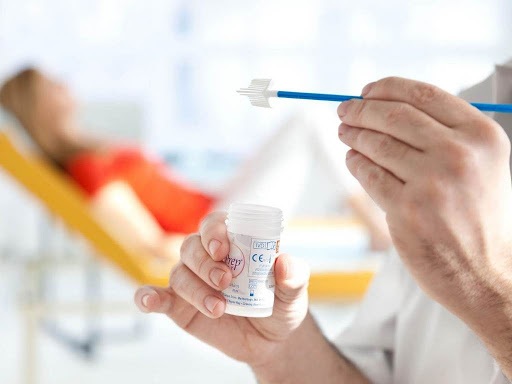
Dr Nasila said pap smears were not designed to detect cancer itself, but rather to catch early, precancerous changes in the cervix before they develop into cervical cancer.
“Early detection is key. That’s why we advocate for regular pap smear screenings to give women the chance to treat abnormal cells before they become cancerous.”
He said last year Labasa Hospital recorded 19 new cases.
The majority of these cases were diagnosed at an advanced stage when treatment becomes more complex and outcomes less certain.
“Our youngest patient was just 28 years old, and the oldest was in her 60s. A major challenge remains that many women are presenting late with cervical cancer.”
In recent months, efforts have been made to expand screening options through the introduction of HPV self-testing.
The service has already been rolled out in Macuata and Savusavu, and preparations are underway in Taveuni although services there have not officially launched.
“It’s another tool to help us reach more women, especially those who may not feel comfortable with a traditional pap smear.”
He urged women, who have never been screened, to take the first step and access these services either through clinics or community outreach.
“We know that awareness alone isn’t enough, we need to make these services approachable, accessible and supported by families and communities.”
He said community health workers, faith-based groups, and local leaders could play a crucial role in encouraging women to prioritise cervical cancer screening.

