
Getting young children to talk about abuse by trusted adults remains a major challenge for the Office of the Director for Public Prosecution in domestic abuse cases.
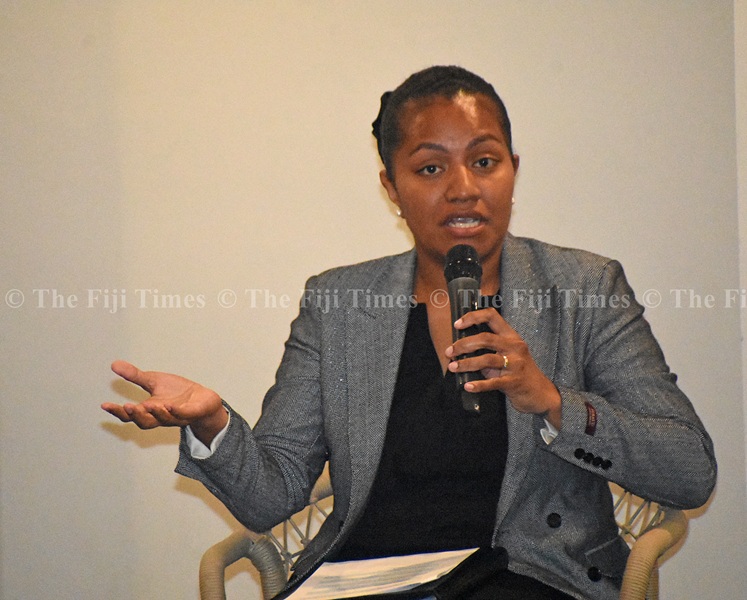
The divisional manager of the Sexual Crimes Division of the ODPP, Unaisi Ratukalou, shared this during the recent Sexual Abuse in Fiji panel discussion, saying the issue was especially difficult if the perpetrator was a trusted adult.
“So, where there’s a domestic relationship, the interference is very high,” Ms Ratukalou said.
“Some cases proceed to court, while others are withdrawn. At the trial stage, it becomes our responsibility to get the child to talk about the traumatic experience they went through.”
She said the emotional toll on children, especially those under 18 years old could be telling.
“For adults, talking about such experiences is difficult enough. Imagine how hard it is for a young child to speak about the harm done by trusted family members. This is a major hindrance we face.”
Ms Ratukalou explained that when children provided statements, they often do not disclose everything initially, requiring multiple interviews which can be distressing for the child.
“When you repeatedly ask a child to talk about the trauma, they may reach a point where they no longer want to discuss it.
“It requires close coordination with the police to find the best way to support the child and properly record their testimony.”
Post-trial processes such as submitting victim impact statements are less problematic. However, challenges remain in capturing the psychological and emotional trauma experienced by young victims.
“In cases where children cannot fully articulate their trauma, some courts have engaged organisations like St Giles to provide psychologists or psychiatrists who prepare reports for the court.”

