
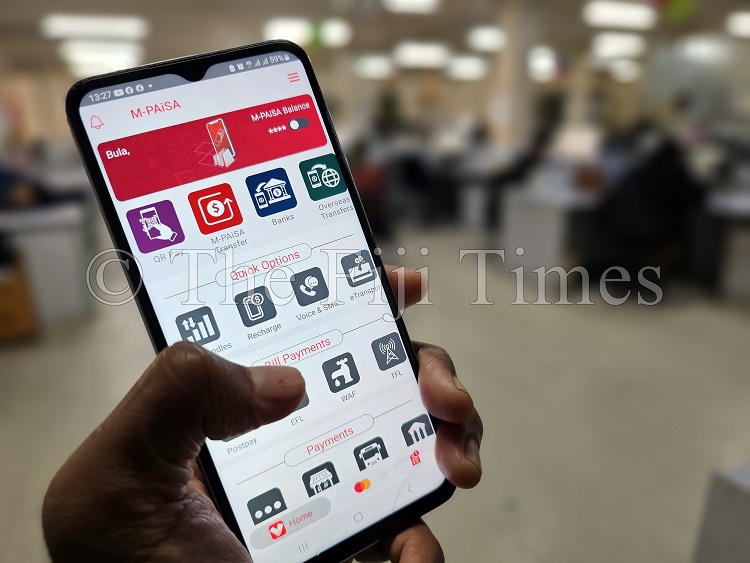
A new report by Consumer Council of Fiji reveals insights into digital financial services (DFS) users in Fiji. Titled “Voices from the Margins: Perceptions and Recommendations on Digital Finance Services (DFS) in Fiji”, the findings reveal a complex landscape that while a significant number of Fijians are engaging with DFS, they face multifaceted barriers that curb their full integration into the digital financial ecosystem. Primary obstacles include inadequate network reliability, high costs of necessary technology, insufficient accessibility features tailored to diverse needs, and pervasive concerns over data security. Particularly striking is the struggle among low-income respondents to afford smartphones and data plans, which are fundamental for accessing DFS.
Smartphone ownership
THE report states smartphone access directly influences the ability of individuals to participate in the digital economy. Those without smartphones are excluded from a wide range of financial services and opportunities, from simple transactions to complex financial products.
“This digital exclusion has the potential to reinforce socioeconomic disparities, as less technologically equipped individuals are less able to capitalise on the economic, social, and educational benefits that DFS offers,” states the report.
Seventy three per cent of the participants reported that they own and actively use a smartphone. This significant figure emphasises the vital role of smartphones in facilitating access to digital financial services, which is especially transformative for vulnerable groups, adds the report.
The results also indicate robust smartphone penetration in Fiji across diverse demographic groups, including low-income households, rural and maritime areas, and among the elderly.
“Twenty three per cent of the respondents do not own a smartphone, which highlights a substantial barrier to accessing digital services. This gap likely arises from issues such as the affordability of technology, inadequate infrastructure, and limited digital literacy, exacerbating social and economic disparities,” says the report.
A smaller group representing 4 per cent of the sample use smartphones that they do not personally own.
This scenario often involves shared or borrowed devices, which, while facilitating necessary access, may compromise the consistency and security of their financial engagements, says the report.
Feedback from elderly and persons with disabilities
The report states for elderly individuals and persons with disabilities, engaging with Digital Financial Services (DFS) can be fraught with unique challenges that impede their ability to benefit fully from these technologies.
“Understanding the specific barriers these groups face is crucial for developing interventions that enhance accessibility and usability. The survey specifically asked these populations to identify the obstacles they encounter, and the results provide valuable insights for service providers and policymakers,’” states the report.
The research found the following:
Inaccessible apps/websites: This is a significant concern, indicating that a quarter of the respondents find applications and websites difficult to navigate or use. This barrier suggests a need for DFS platforms to adopt more inclusive design standards that accommodate users with various disabilities, such as those requiring screen readers or alternative input methods.
Lack of features: The respondents indicated a deficiency in the features necessary to make DFS tools fully usable for them. This could include voice commands, high-contrast visuals, or easy-to-use interfaces that require minimal dexterity.
Physical accessibility: Physical access remains a challenge for many respondents, highlighting issues not just with digital interfaces but also with accessing physical locations such as ATMs or bank branches, which may not be equipped with adequate facilities for those with mobility challenges.
Customer support: Equal to the lack of features and physical accessibility, inadequate customer support is a notable barrier. Elderly users and those with disabilities often require more comprehensive support to guide them through financial services, suggesting a gap in the training of customer service teams to handle these needs effectively.
m Lack of instruction: A smaller proportion reported that a lack of clear instructions hinders their ability to use DFS. This points to a need for better educational materials and instructions that cater specifically to the learning styles and needs of elderly and disabled users.
Frequency of DFS Usage
The report states understanding how frequently DFS are used is pivotal for assessing their impact on financial inclusion and the daily financial practices of individuals in Fiji, reflecting the reliance on and comfort with digital platforms. At the same time, it also indicates the effectiveness of these services in meeting the financial needs of vulnerable groups. The research found the following on usage rates:
- Daily (23 per cent): A significant portion of respondents uses DFS daily, indicating a strong integration of digital platforms into their everyday financial transactions. This high frequency suggests that for these users, DFS are not just convenient but essential for managing their day-to-day financial activities, likely including small value transactions, regular bill payments, or business transactions.
- Weekly (25 per cent): Another substantial segment uses DFS on a weekly basis. This could correspond to weekly financial routines such as wage disbursements or routine bill payments. The regular use highlights DFS as a reliable tool for managing recurring financial tasks.
- Monthly (47 per cent): The majority of respondents use DFS monthly, which is the most significant proportion. This usage likely correlates with larger, less frequent financial activities such as monthly salary access, utility bill payments, or rent transactions. The preference for monthly usage underscores the role of DFS in managing significant financial commitments that align with typical payment cycles in Fiji.
Different uses of DFS platforms
The report states to further understand the impact of DFS on financial inclusion in Fiji, it is essential to explore not only how frequently these tools are used, but also for what purposes.
Examining the uses of DFS provides valuable insights into the practical applications of these services in everyday life and helps identify key areas where DFS are meeting or failing to meet the needs of vulnerable groups. The research found the following:
Remittances (inward and outward) (32 per cent): A large portion of DFS usage is allocated to remittances, indicating the importance of DFS in facilitating financial transfers, both within Fiji and across borders. This significant use underscores DFS as vital tools for maintaining economic ties between family members, especially in a country where migration for work — both internal and international — is common. It highlights the need for reliable, low-cost services that can facilitate these essential transfers swiftly and securely.
Shopping/bills/payments/expenditure (45 per cent): The largest segment of DFS use goes towards routine payments and shopping. This suggests that DFS are integrated into daily life as a convenient means to manage regular financial transactions like utility bills, grocery shopping, and other expenditures. The high usage for these activities points to the acceptance and trust in digital platforms for secure and efficient transaction processing.
Welfare assistance (11 per cent): The use of DFS for receiving welfare assistance reflects their role in social safety nets. For vulnerable populations, the ability to access government or non-governmental financial aid directly through digital means can reduce barriers to access and ensure timely and secure delivery of funds. This segment indicates the potential for expanding DFS in public assistance programs.
Saving and borrowing Money (13 per cent): Equally tied with remittances, the utilisation of DFS for saving and borrowing reveals their function as fundamental banking tools. The adoption of digital platforms for savings indicates a level of trust and utility in digital financial infrastructure that supports not only spending but also wealth accumulation and access to credit.

