
Cancer is no longer a medical discussion, but an issue that needs the involvement of stakeholders such as policymakers, faith and community leaders.
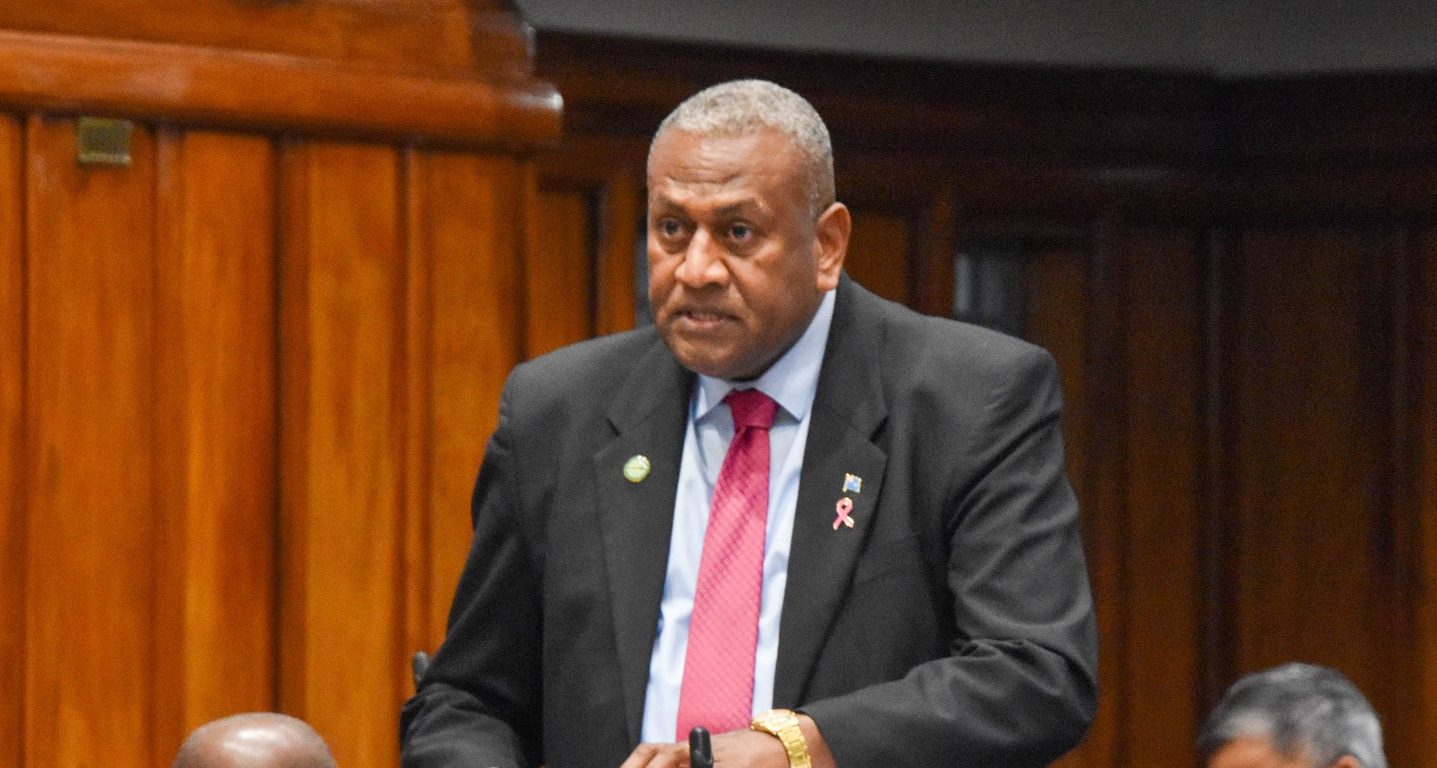
Speaking at the recent Fiji’s first ever Oncology Conference in Suva, Assistant Health Minister Penioni Ravunawa said the issue of cancer has become a moral call to action.
“Cancer has become a silent storm in our region, disrupting families, straining health systems and testing our compassion as a people,” he said.
Mr Ravunawa said the theme of the conference – Collaboration, research and multidisciplinary care – was a reminder that the fight against cancer could not be won by medicine alone.
“In Fiji, about 1600 cancer cases were diagnosed in 2022,” he said.
“The International Agency for Research on Cancer (IARC) estimated over 20 million new cancer cases worldwide in 2022, and by 2050, this number is expected to reach 35 million, a 77 per cent increase.”
Mr Ravunawa said cancer was now the third leading cause of death in Fiji.
“Among women, breast, cervical and endometrial cancers dominate. Among men, prostate, liver and lung cancers lead the burden.
“Yet behind every number is a name, a story, a life. A mother in Labasa. A father in Nadi. A young woman in Suva who never got screened.
“Too often, they come to us when it’s too late, not because they don’t care, but because our systems, our policies, and sometimes even our silence, failed them.”
Mr Ravunawa said cancer care was not only a national issue but a regional and spiritual obligation.
“No single country or hospital can carry this burden alone so we must build strong partnerships between Pacific health ministries, NGOs, and research institutions.
“Leverage tele-oncology and technology to bring specialist advice to the most remote islands and strengthen capacity-building through consistent regional collaboration and joint training.”

